

Immaterielles Kulturerbe
The Viennese Wurstelprater culture.
Entry in the Austrian National Register.
On 17 October 2026, the Viennese Wurstelprater culture was inscribed on the National Register of Intangible Cultural Heritage in Austria by the Austrian UNESCO Commission. For 260 years, these family-run businesses have kept the tradition, culture and unique atmosphere of this special place alive, passing on their expertise from generation to generation. Ever since the Vienna Prater Association was founded in 1909, we have been committed to ensuring that this knowledge is preserved. This recognition by the Austrian UNESCO Commission makes all of us at the Vienna Prater – our ‘Wurstelprater’ – incredibly proud.
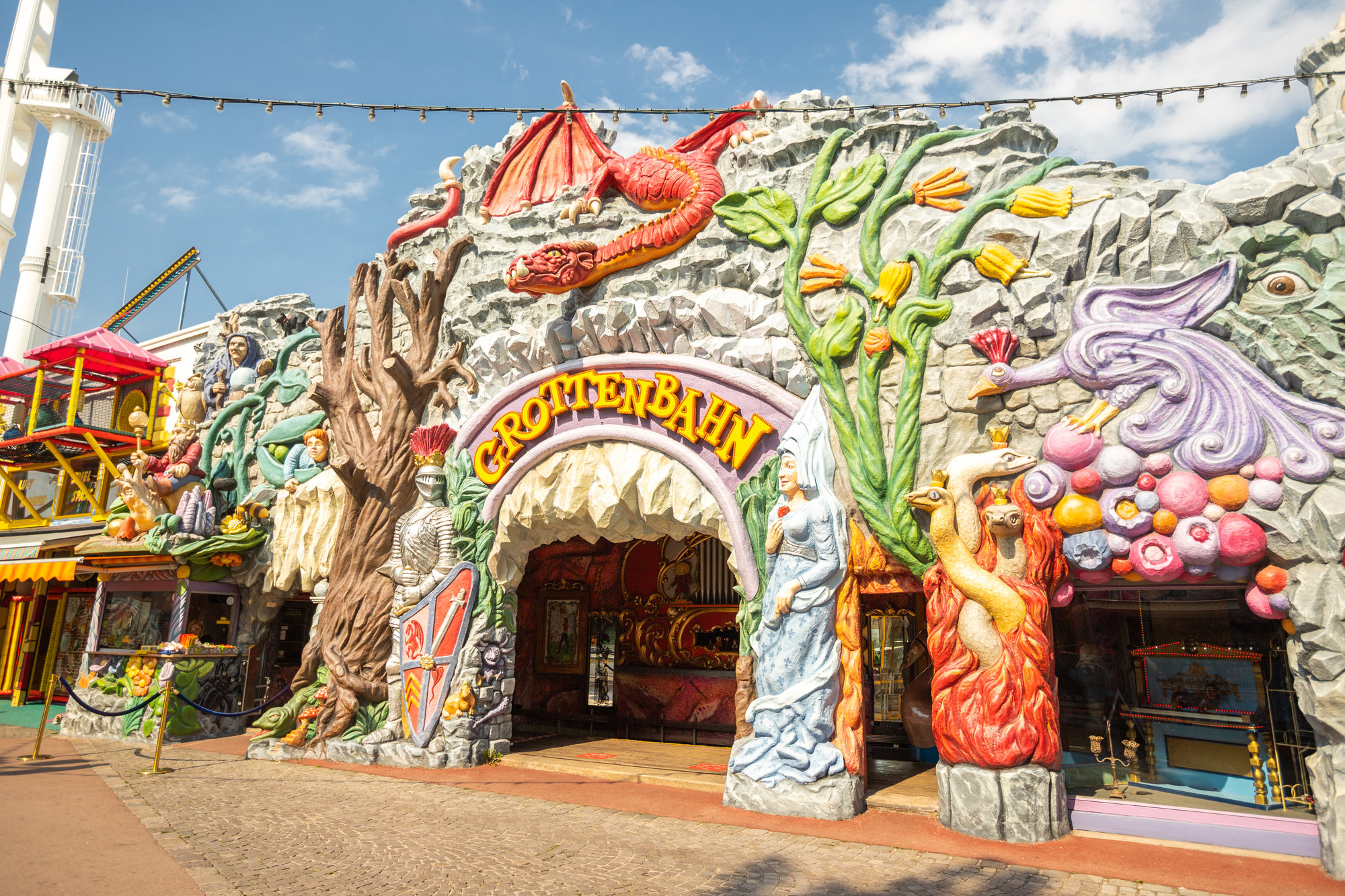
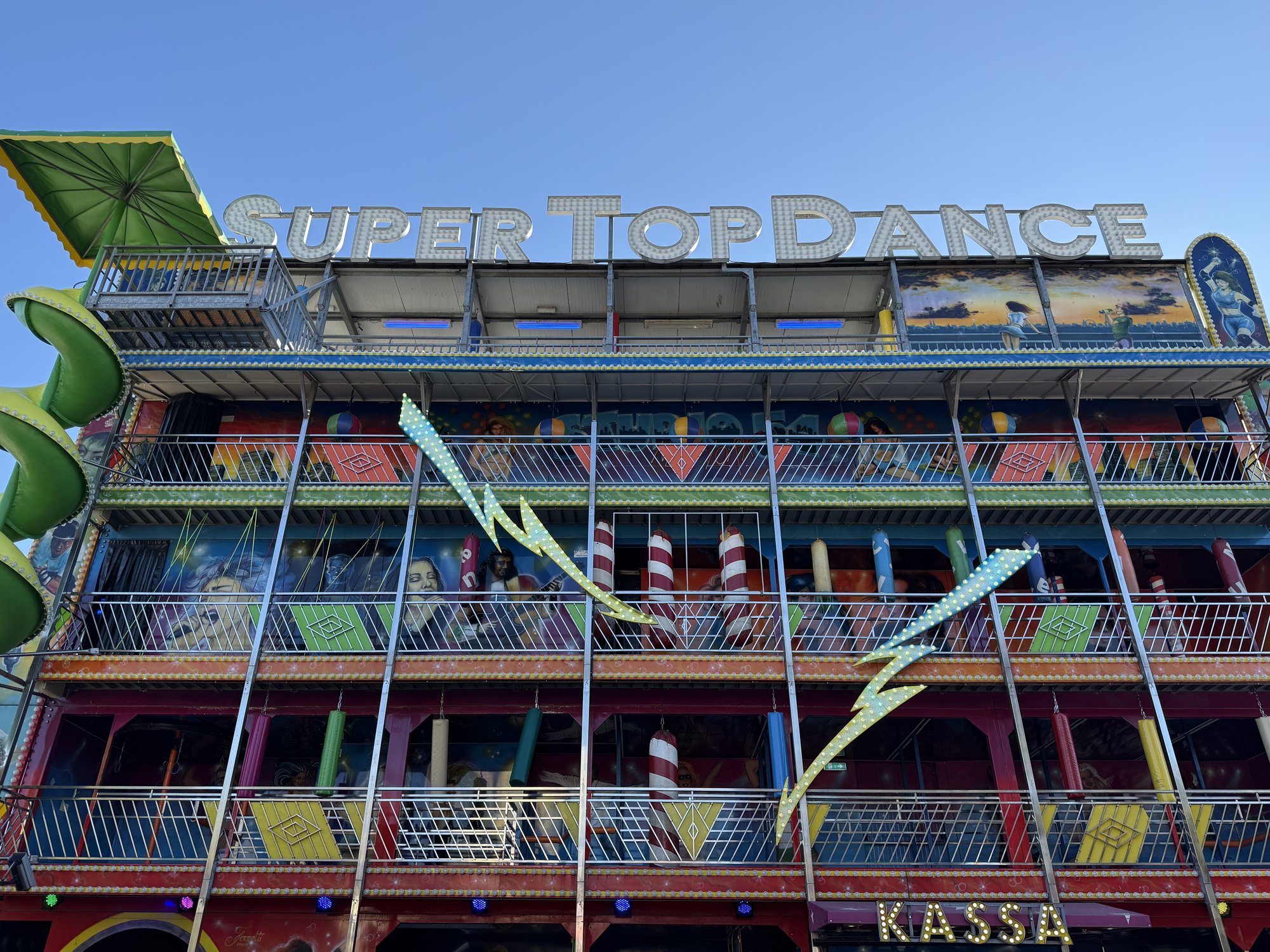
The inclusion on the List of Intangible Cultural Heritage is explicitly not about the Wurstelprater as a place or its buildings and attractions, but about the knowledge surrounding the ‘culture of enjoyment’. Viennese Wurstelprater culture has been nurtured since 1766 and passed down from generation to generation within the Prater families.
A vibrant community of custodians: At the heart of it all are the families of showmen and operators, some of whom have been active in the Prater for several generations. At the same time, new families and entrepreneurs are joining the ranks. Around 90 per cent of the businesses remain family-owned. Through the Vienna Prater Association, the operators regularly consult with one another and work together to shape the future and development of the Prater.
Intergenerational knowledge: The operators pass on a wealth of knowledge, primarily through oral tradition and practical experience. This includes, amongst other things, knowledge of the operation and technology of the fairground rides, economic and organisational aspects, and how to interact with visitors. It also encompasses a specific feel for the unique ‘Prater atmosphere’, Viennese hospitality and the proverbial Viennese wit. Furthermore, the Prater Museum has also been an important venue for educational outreach for several years now.
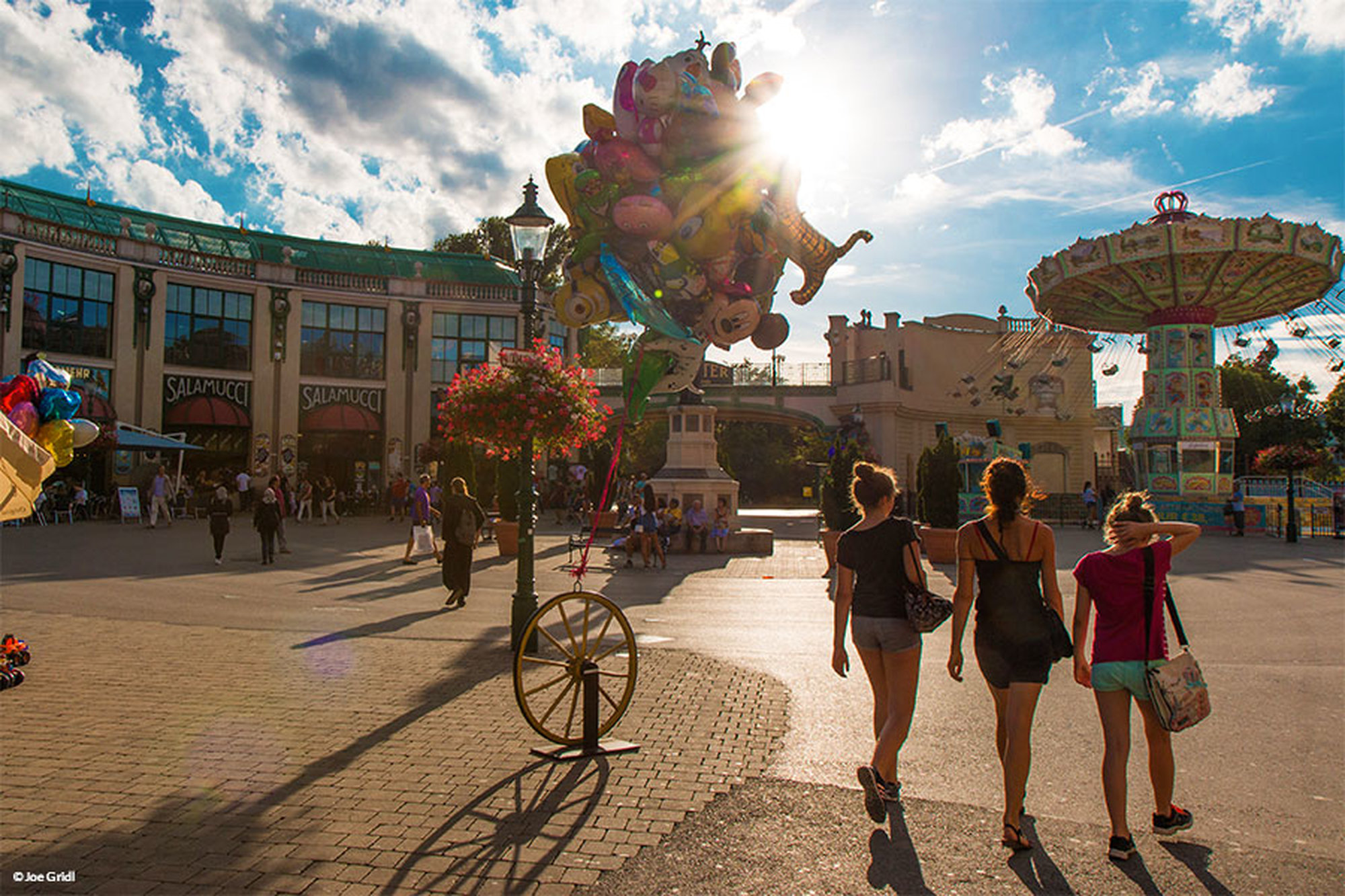
The interaction between owners and visitors: An essential part of Vienna’s Wurstelprater culture is the social interaction that arises from the encounters between owners and visitors. The Prater is an accessible meeting place where people from different social and personal backgrounds come together and, as a group, help to shape the Prater’s unique atmosphere.
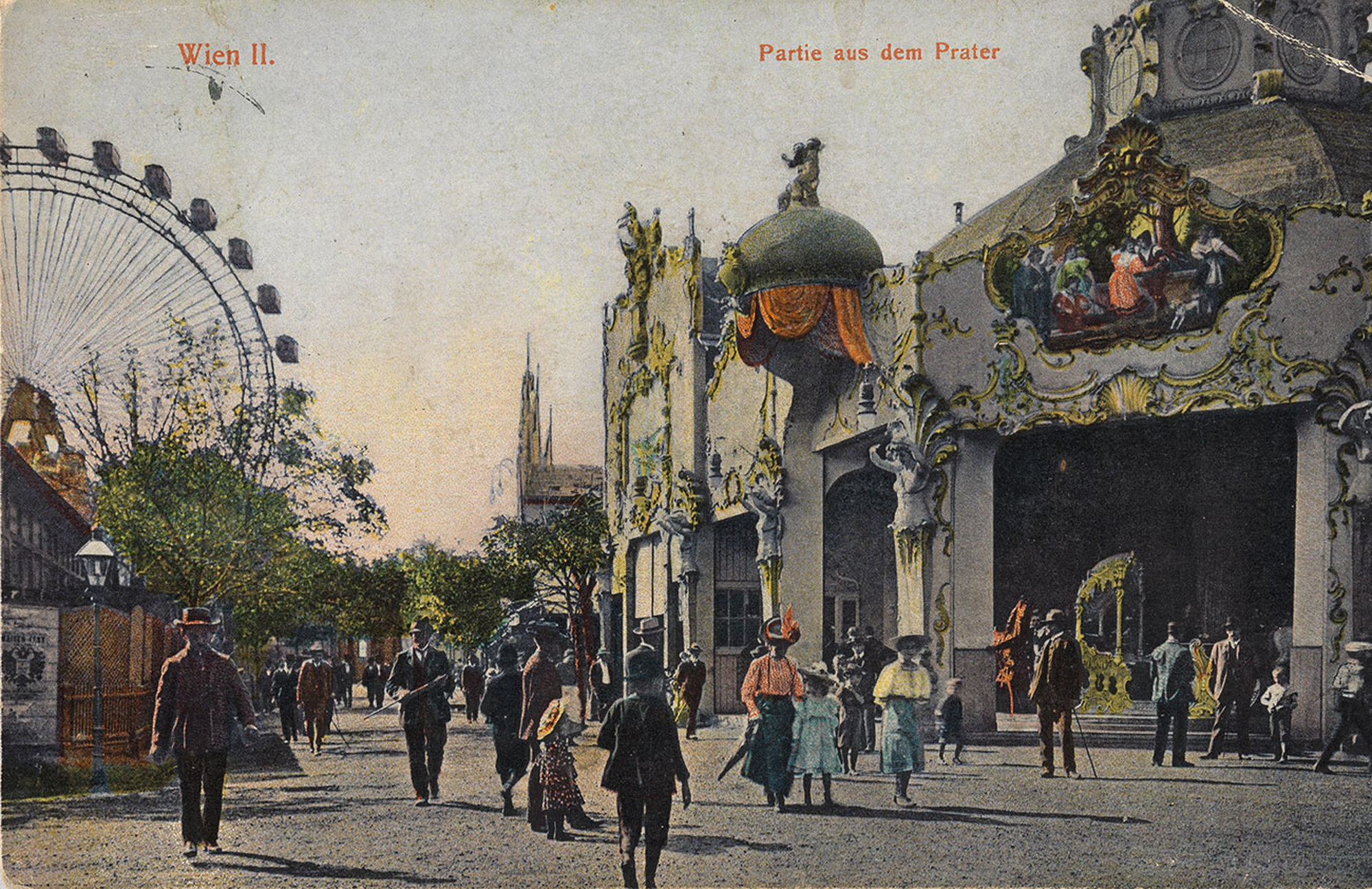
Historical significance and reception: The Prater’s cultural significance is rooted in its history spanning some 260 years and is directly linked to Viennese city life. The Prater’s portrayal in literature, music and film underscores its significance as a culturally formative place. This ranges from authors such as Adalbert Stifter, Arthur Schnitzler and Elfriede Jelinek, through composers and musicians such as Johann Strauss, to contemporary artists and filmmakers.
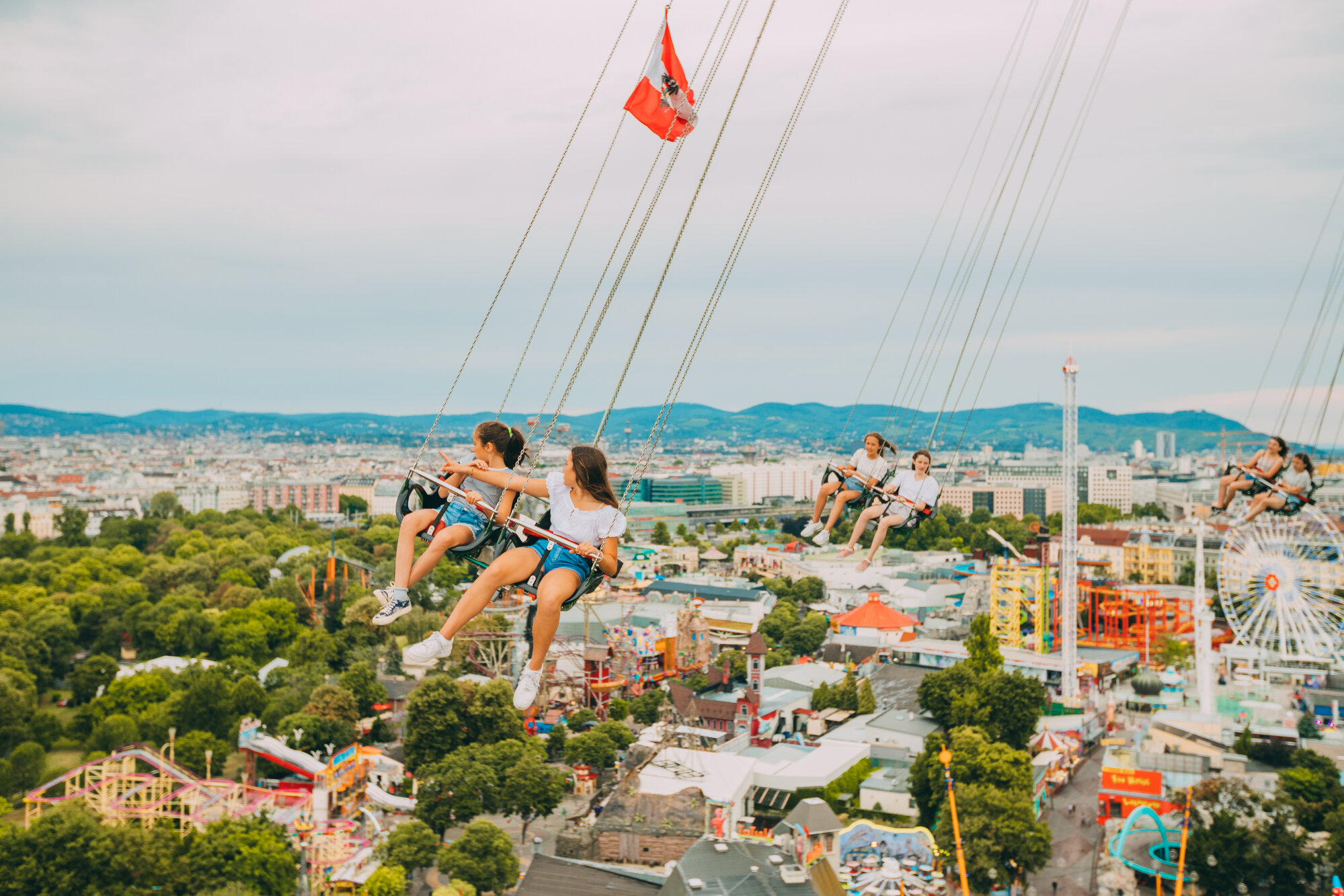
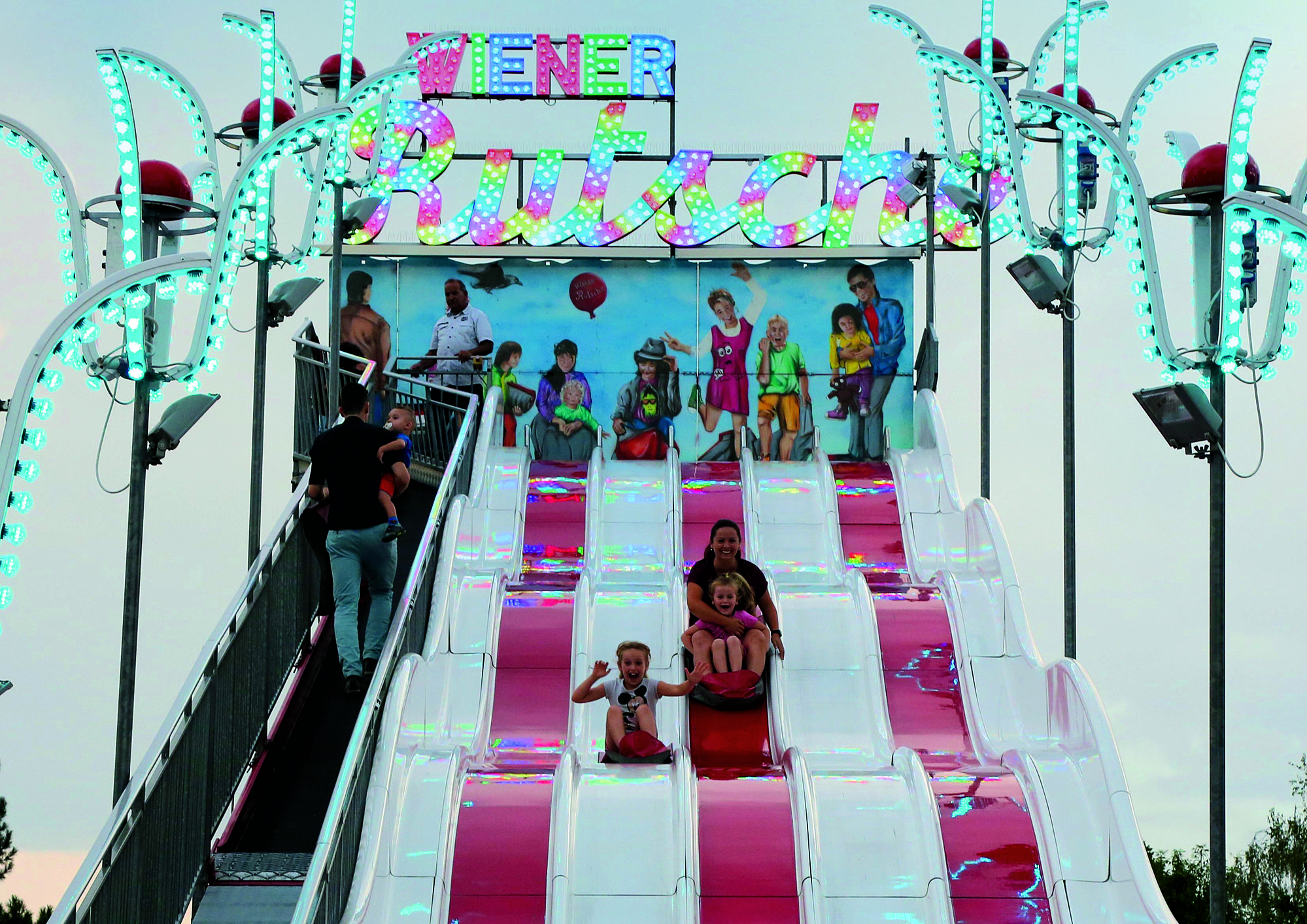
The Wurstelprater has always been a place for everyone since Joseph II opened it to the Viennese public. People from all generations and backgrounds come together here to enjoy themselves. This openness is just as much a part of Viennese Wurstelprater culture as the family histories of the Prater families and their knowledge of the fairground trade. Many family-run businesses have not only been operating in the Wurstelprater for generations, but also live here. Children grow up here, learning from their parents and grandparents and building on this knowledge. To keep in step with the times, the Prater entrepreneurs must constantly reinvent themselves. The challenge is to integrate modern technology without sacrificing the historic charm. It is precisely this combination of tradition and constant development that characterises Viennese Wurstelprater culture.