


Geschichte
From then until today
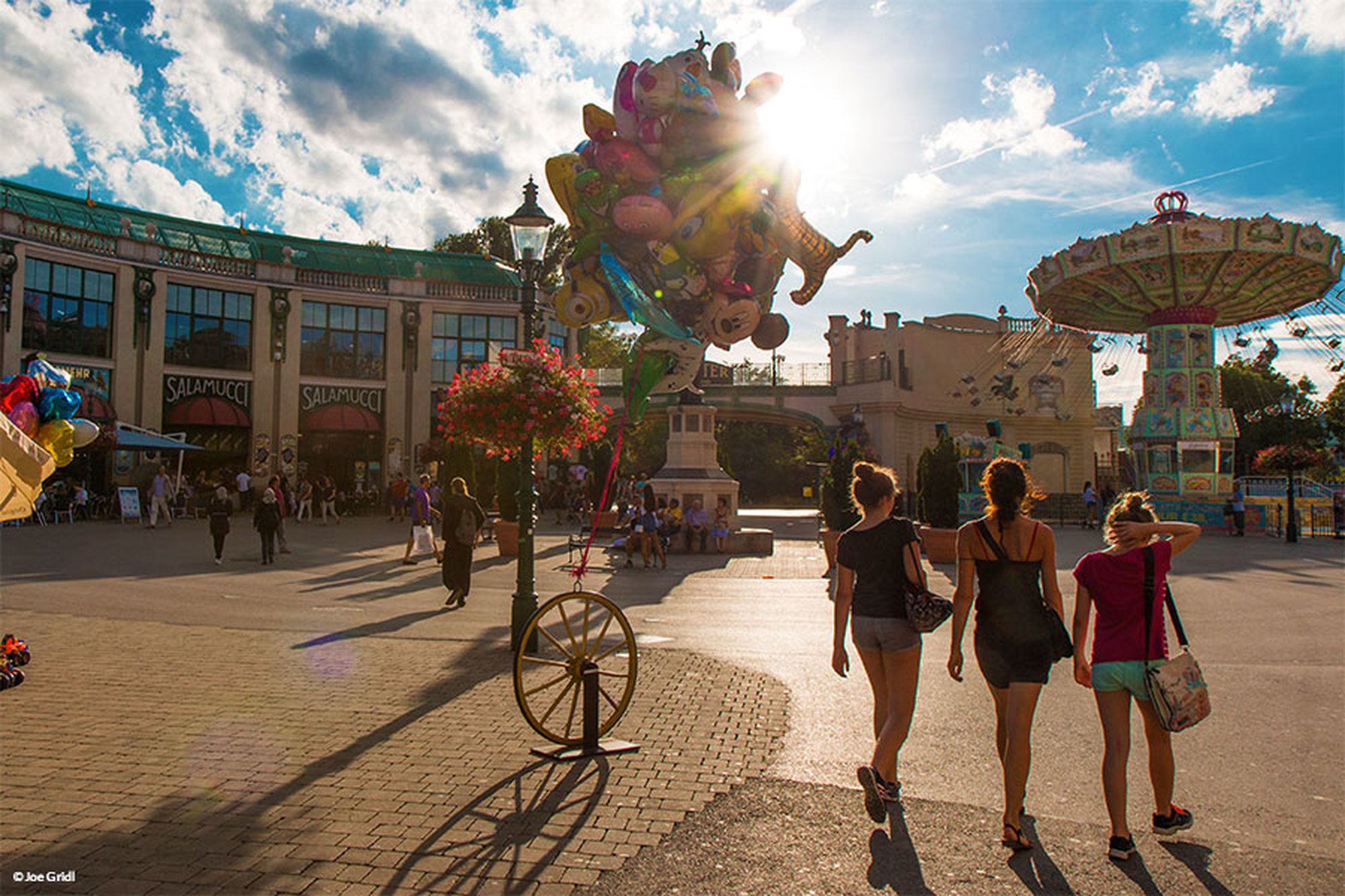
The Vienna Prater extends across an area in the Leopoldstadt district between Praterstern and the Lusthaus, and beyond. The Volksprater, also known as the Wurstelprater, lies between the Hauptallee and Ausstellungsstraße. The approximately 6,000,000 square-meter area of the Prater offers a wide range of possibilities for leisure activities.
1162 - 1771
1162
In the year 1162, the Vienna Prater was mentioned in a document for the first time as “Pratum”. Its second documented mention, this time as “Pratter”, dates from the year 1403.
1560
Maximilian II. turned the entire area into an imperial hunting ground.
1766
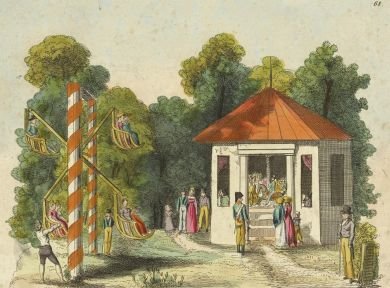
On April 7, Emperor Joseph II, son of Empress Maria Theresa, opened the “Bratter” to the public so that people could “ride there, drive there [...] and amuse themselves with balloon striking, bowling and other permitted entertainments” (Wienerisches Diarium of April 9, 1766). Sixty six wine tavern keepers, forty six beer tavern keepers, coffee brewers, gingerbread makers and meat smokers settled there. In addition to the puppet theater featuring Hanswurst (also called Wurstel, which is the origin of the name Wurstelprater), the bowling alley and the swings, the first carousels were now built.
1771
The first Prater fireworks display was set off by Peter Paul Girandolini. Three years later, the fences and railings around the Vienna Prater were removed, followed by the opening of the Prater at night. For more than one hundred years, the fireworks presented by the Stuwer family attracted crowds of onlookers to the Prater.
1844 - 1895
1844
The first railway carousel created by Basilio Calafati begins operating in the Prater.
1854
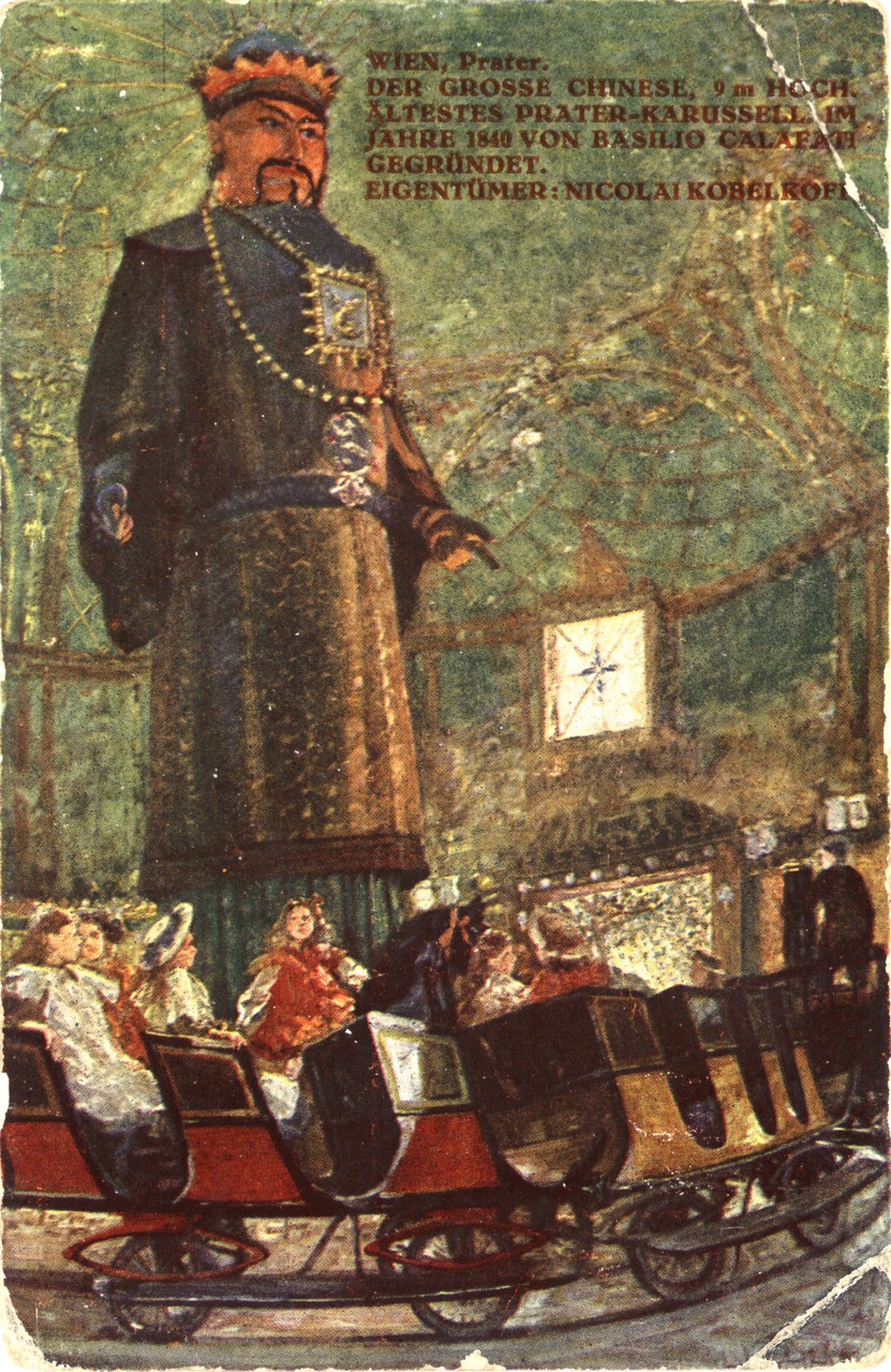
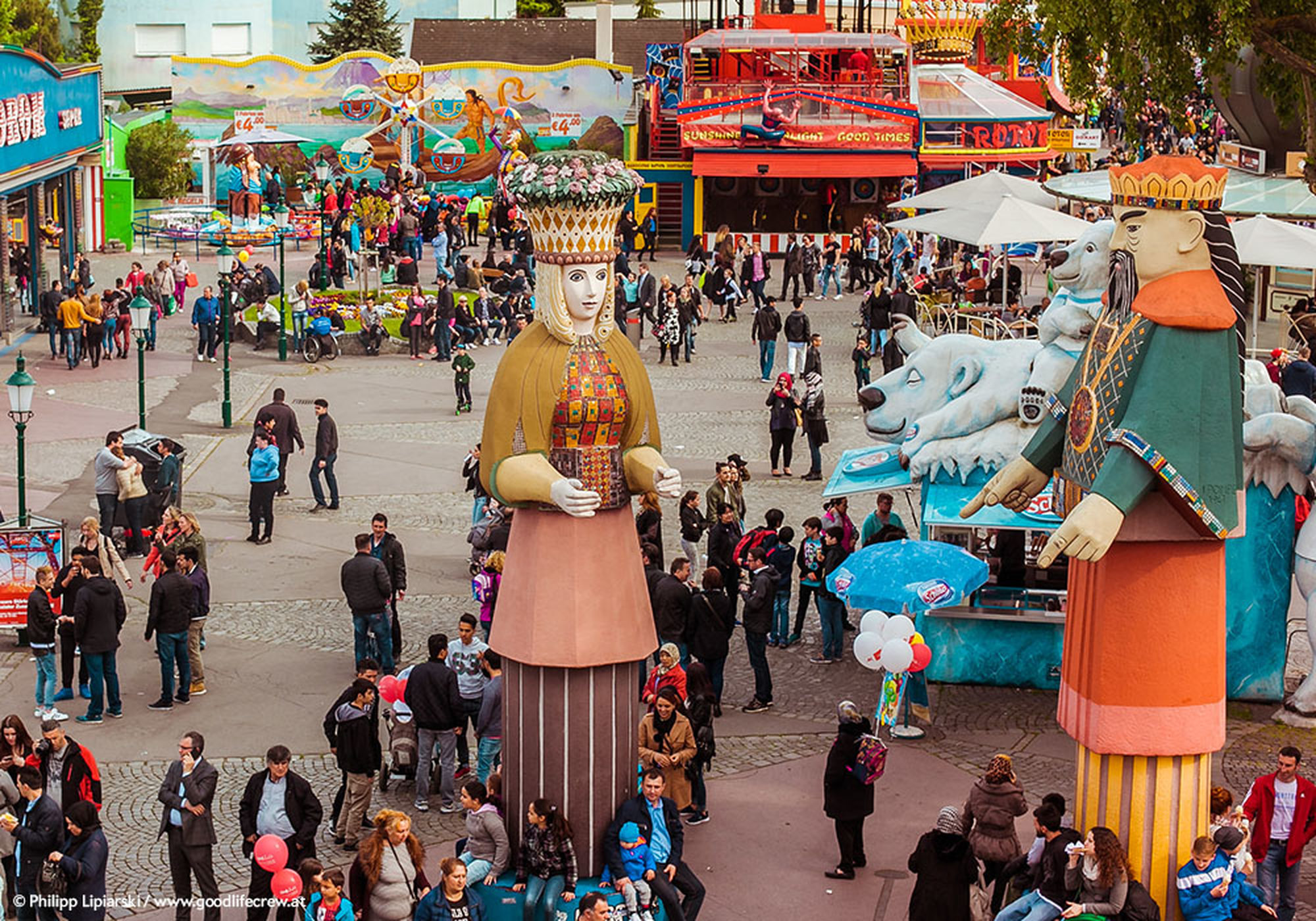
Basilio Calafati placed a large Chinese figure in the center of his railway carousel. Over time, this figure was mistakenly referred to as Calafati. Already in the interwar period, it became a symbol of the Prater.
1871
The first bicycle carousel begins to turn in the Prater.
The first rapid-photography photographer sets up shop in the Prater.
1873
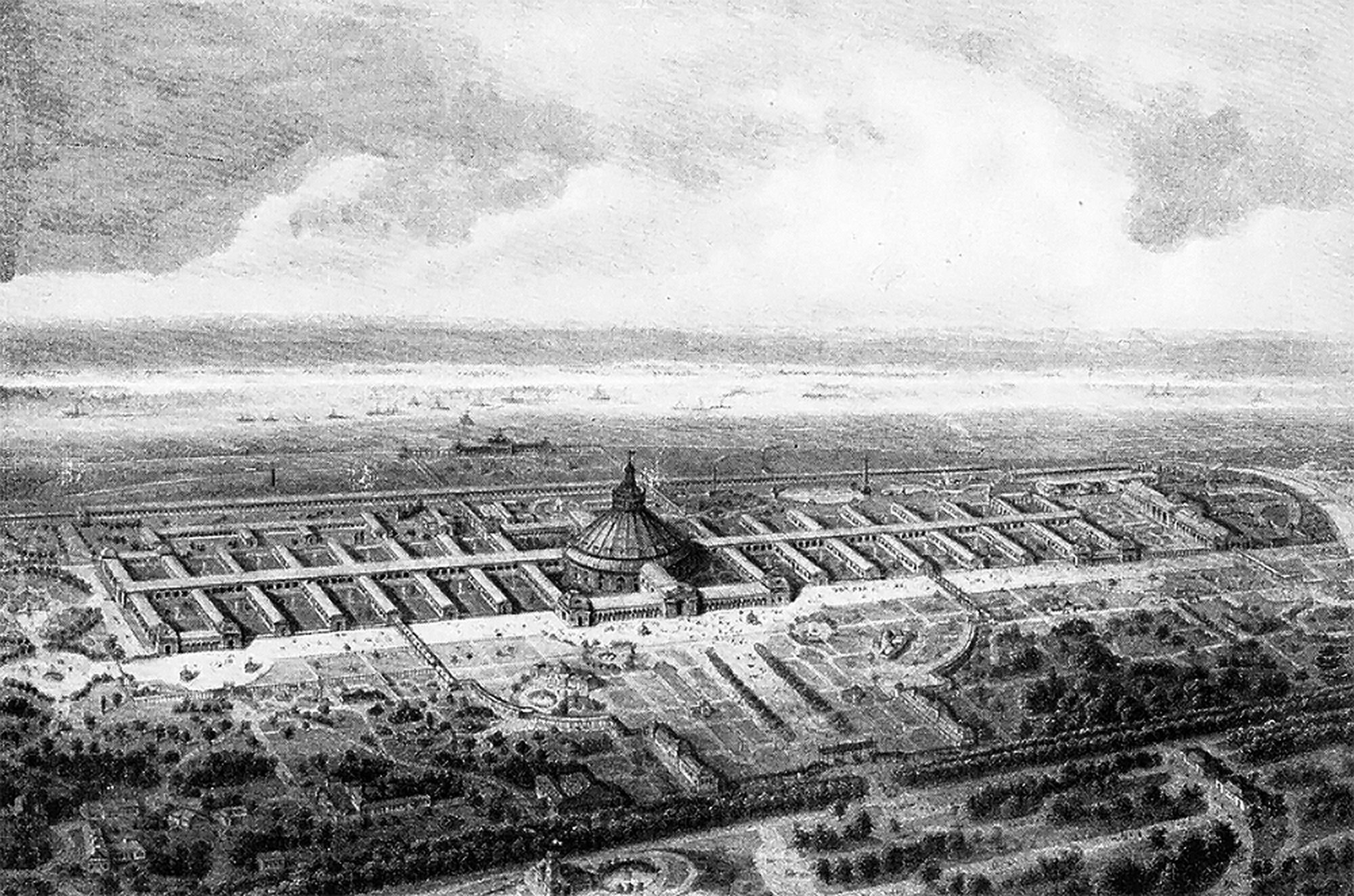
The World’s Fair takes place in Vienna in the area of the Prater. This becomes the occasion for building the Rotunda, at that time the largest domed structure in the world, with a diameter of 108 meters and a height of 85 meters. The soil excavated during its construction forms what is today the Konstantin Hill on the Hauptallee. It was named after Lord High Steward Prince Konstantin von Hohenlohe-Schillingsfürst.
1886
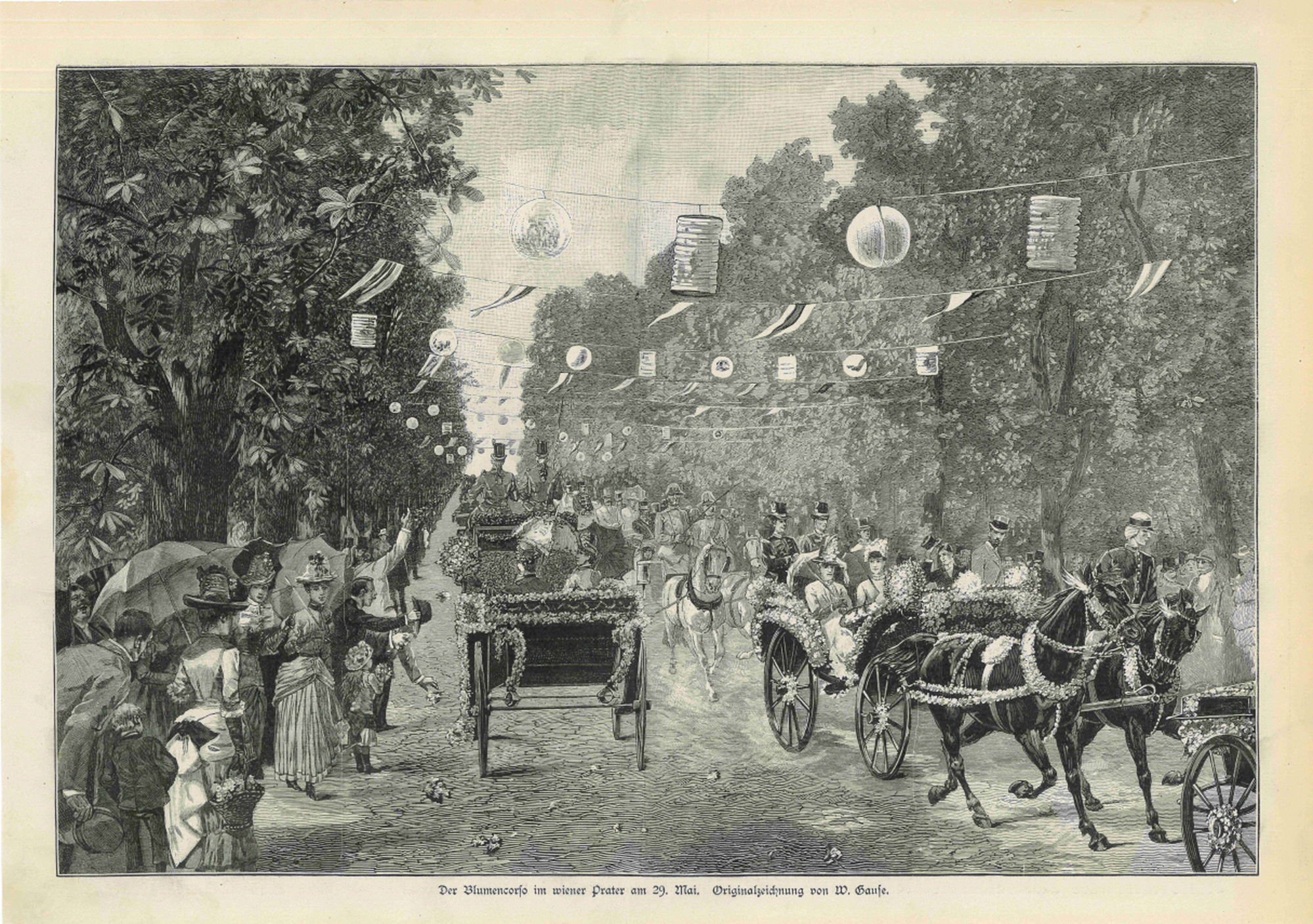
A flower parade takes place on the Hauptallee for the first time.
1887
The first Viennese pony carousel appears in the Prater.
1895 - 1933
1895
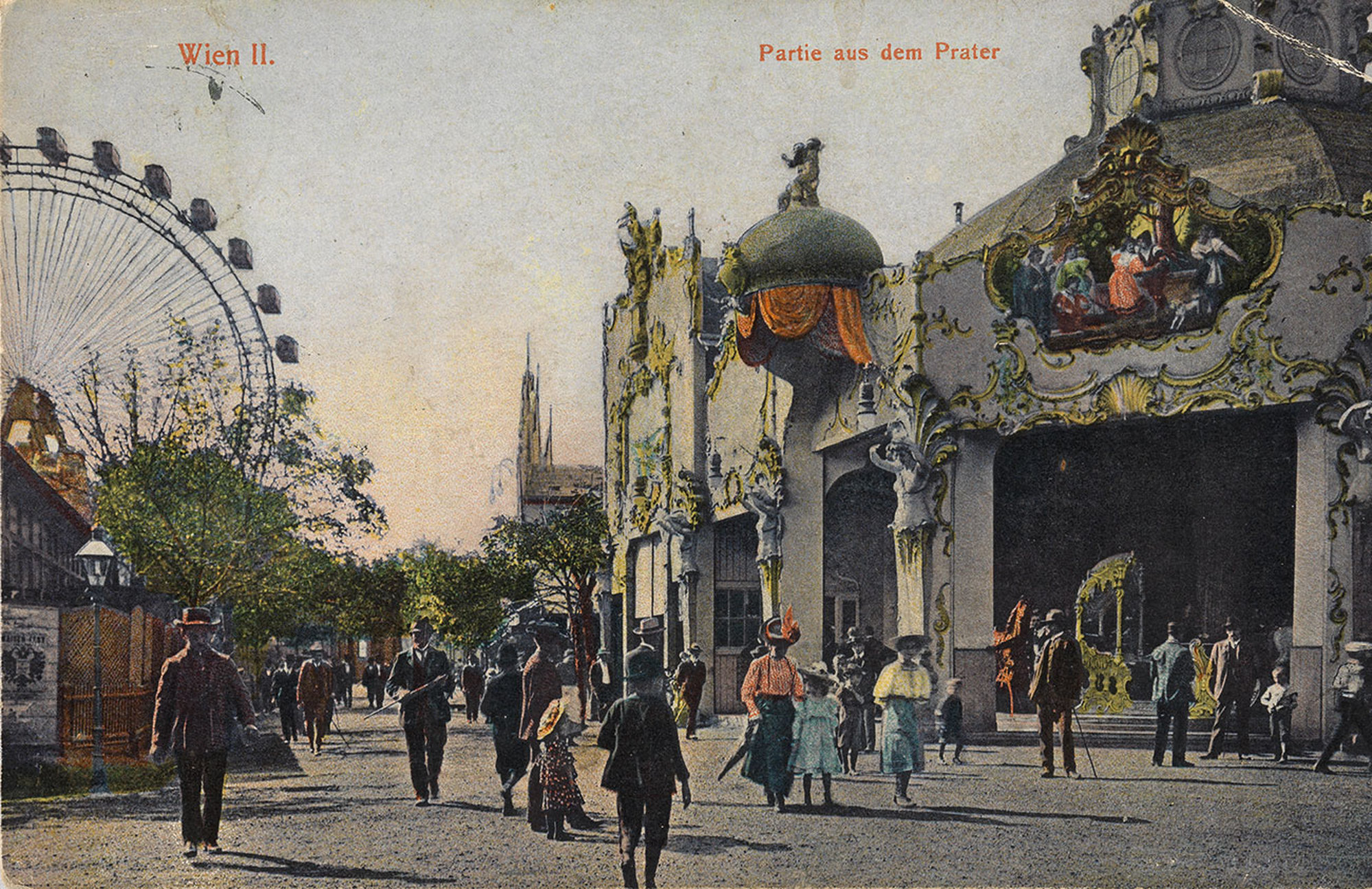
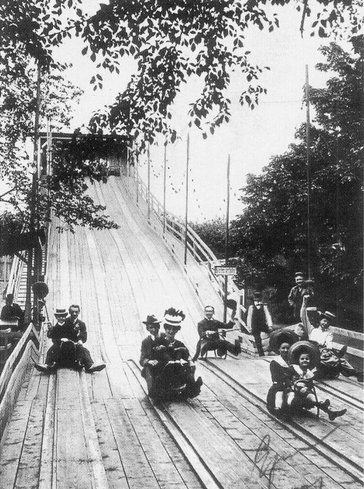
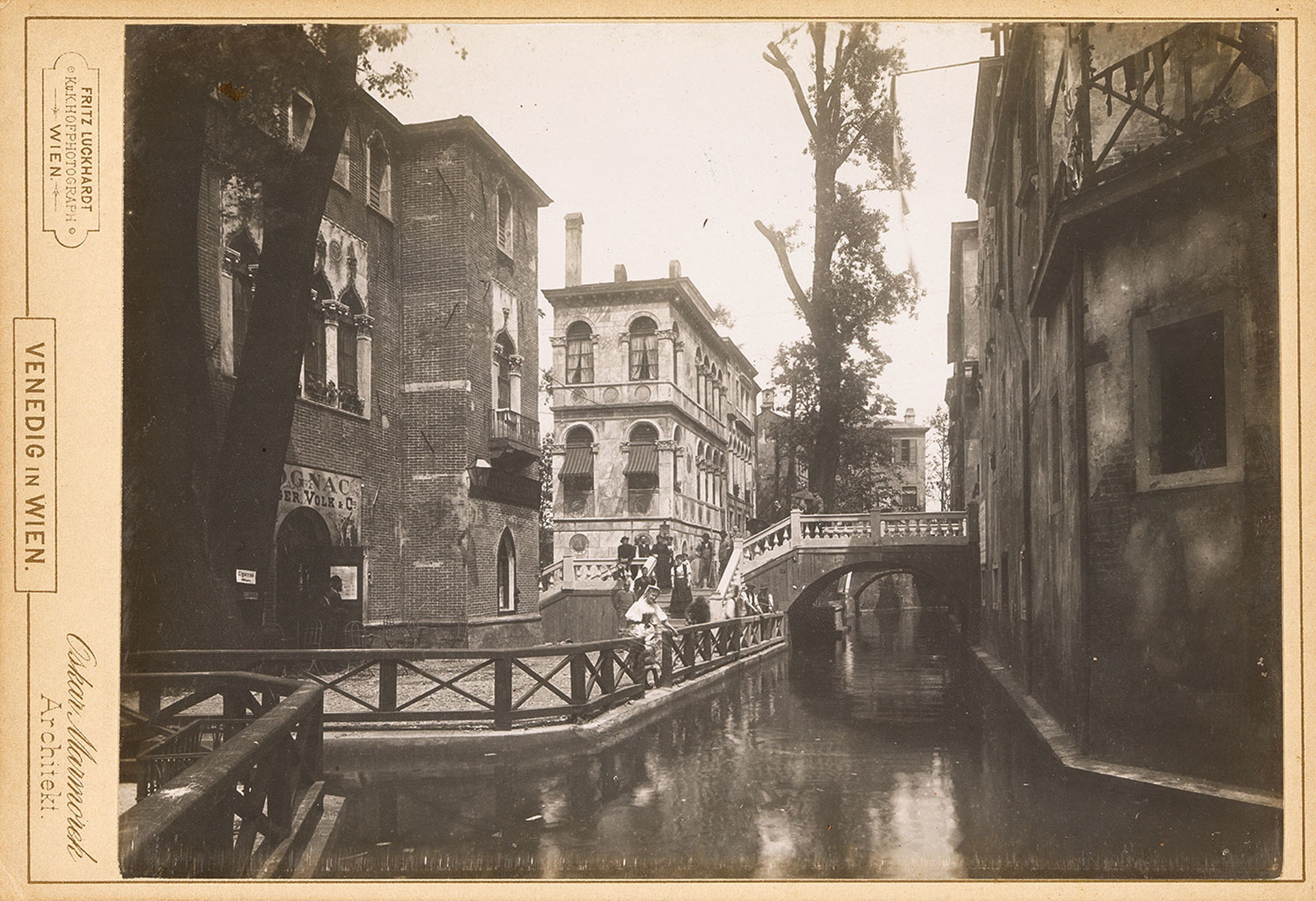
On the grounds of the former imperial garden, where the Giant Ferris Wheel and the Planetarium stand today, the first theme park, “Venice in Vienna”, was opened by Gabor Steiner. It featured bridges, palazzi, canals and gondolas. At countless musical events, Johann Strauß, Carl Michael Ziehrer and Franz Lehár conducted, and the international revues, variety shows and cabaret performances were also highly popular.
1896
The first cinematograph makes its appearance in the Prater.
1897
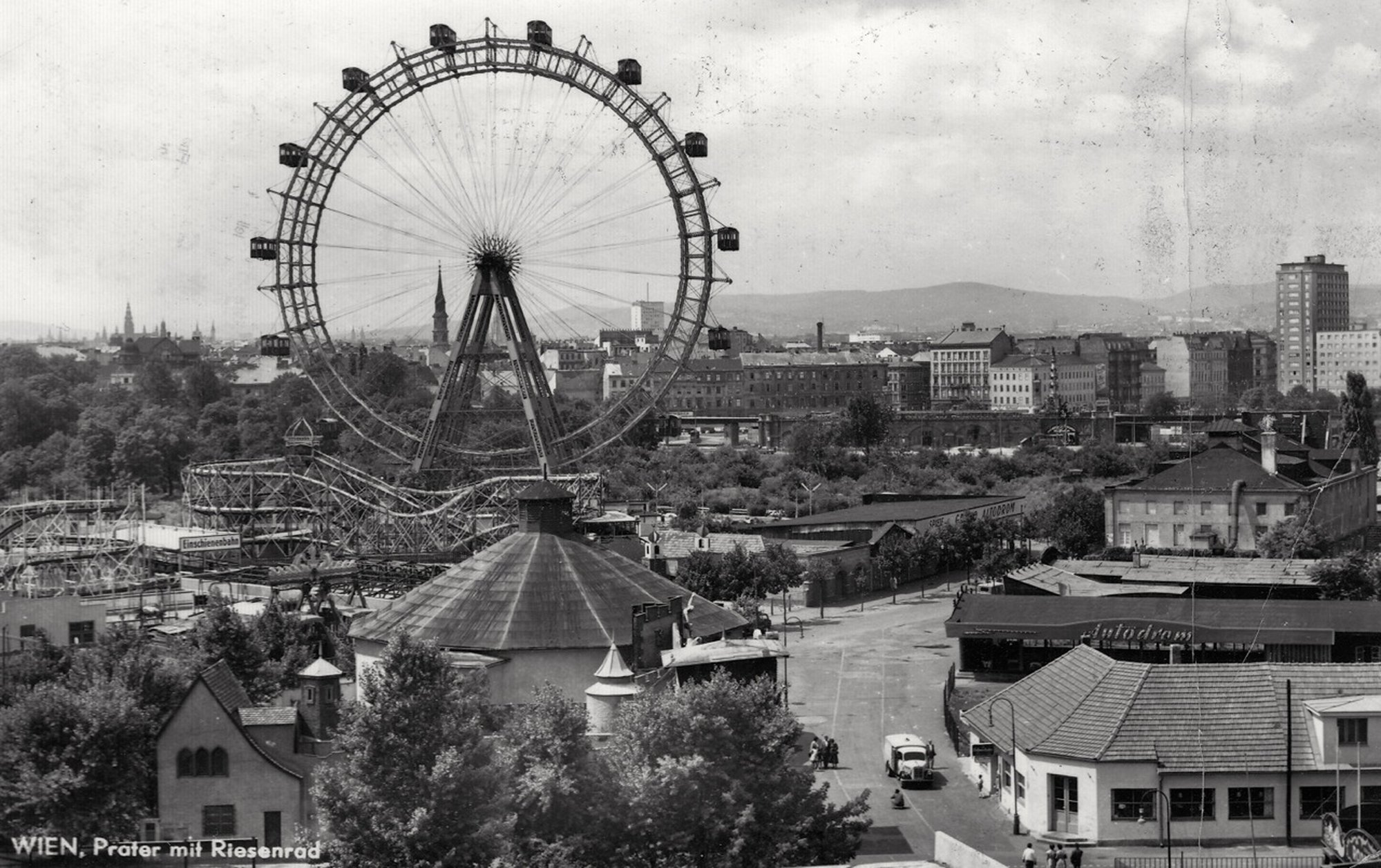
At the edge of “Venice in Vienna”, the Giant Ferris Wheel is built by the English company Basset under the supervision of engineer Harry Hitchins, with a construction time of eight months. It stands 65 meters tall and has 30 gondolas. After the Second World War, the number of gondolas is reduced to the current total of 15.
1898
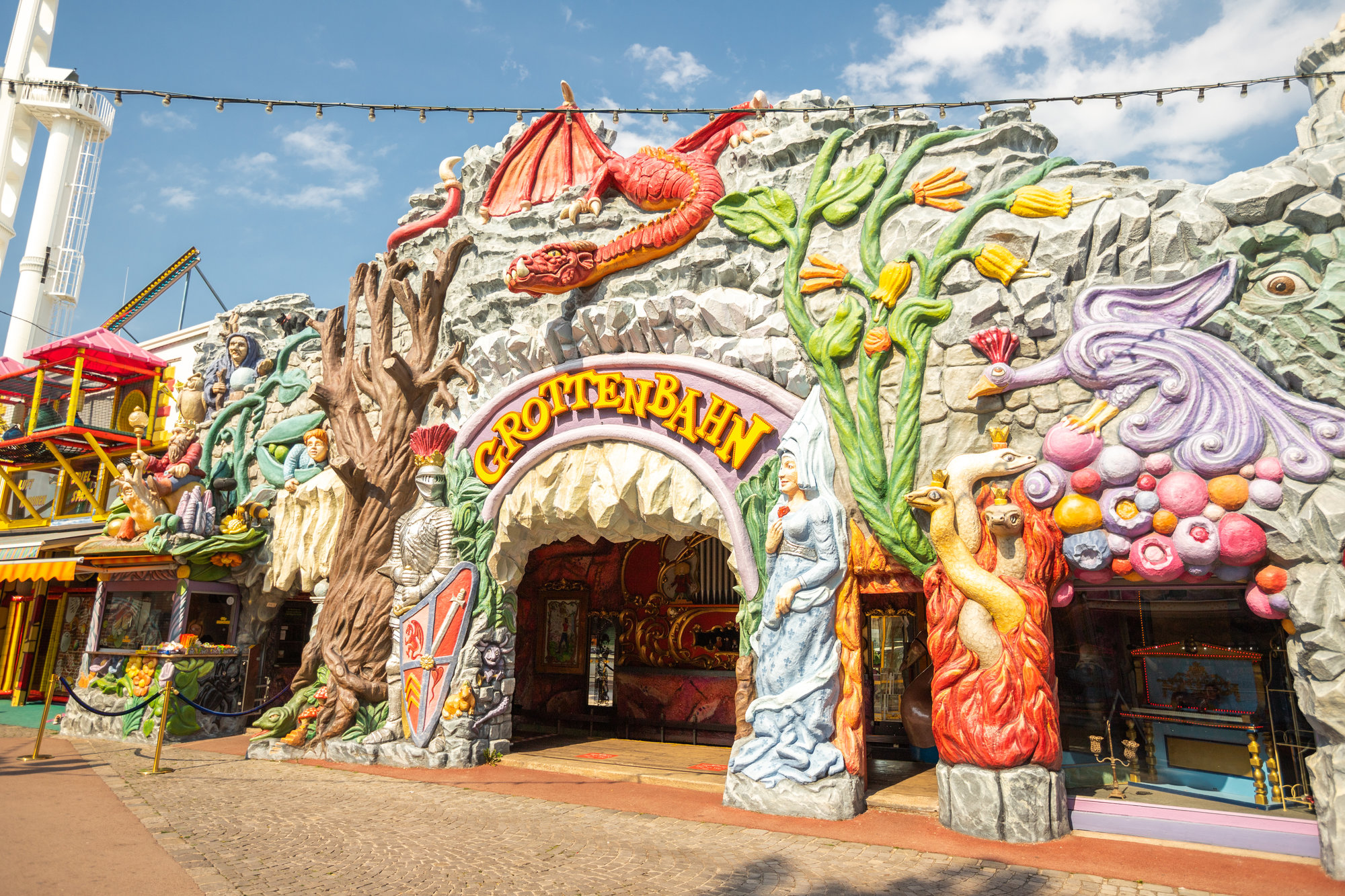
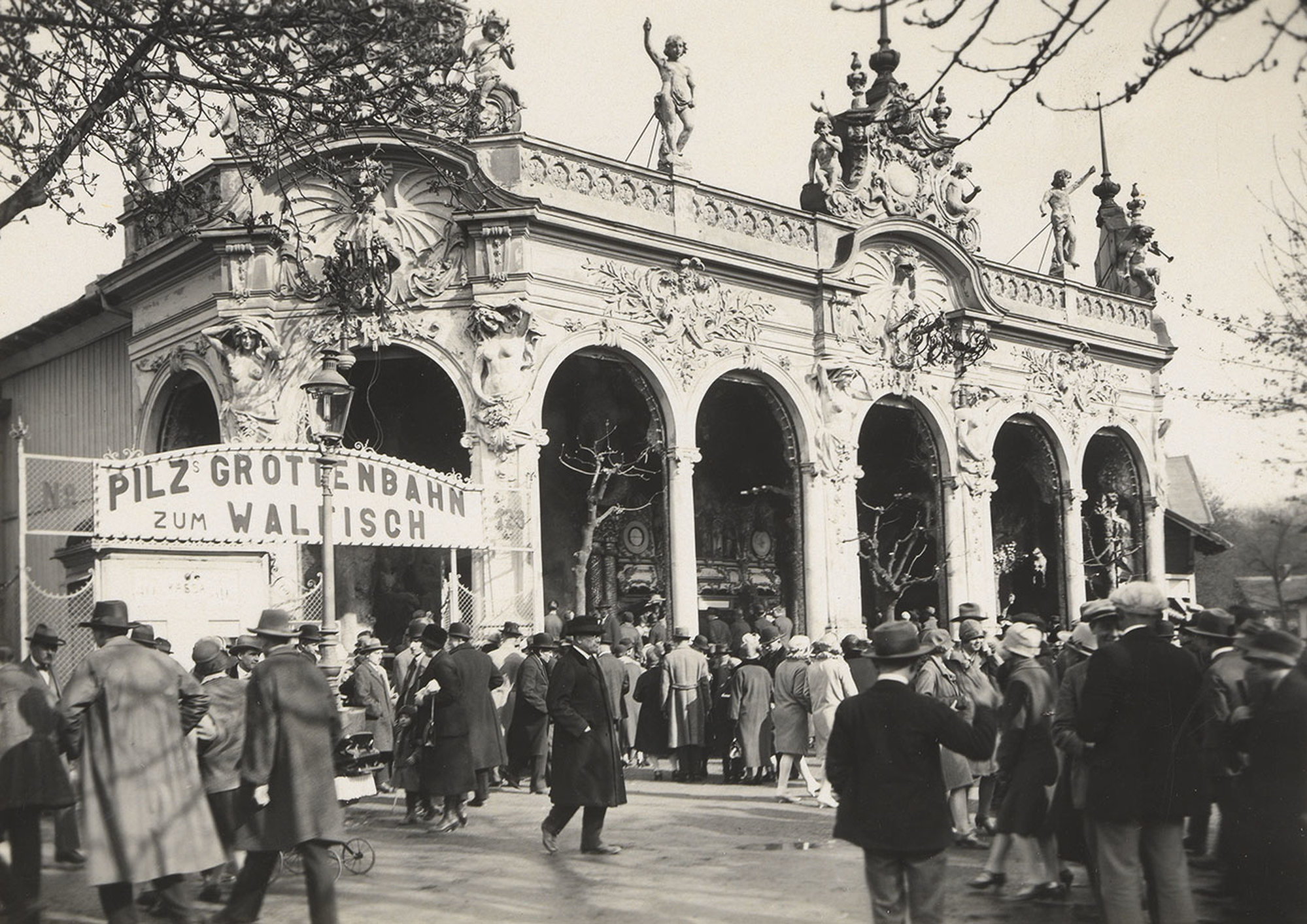
The first electrically operated grotto railway in Europe is put into operation in the Prater.
1909
Gustav Schäfer founds the Association of Prater Hut Owners, of which he also becomes the first chairman. The Association of Prater Hut Owners is the origin of what is today the Vienna Prater Association.
1913
The first Toboggan is built in the Prater.
1922
The first arcade in the Prater is put into operation.
1925
The first automobile flower parade is held in the Vienna Prater.
1926
The first bumper car arena is built.
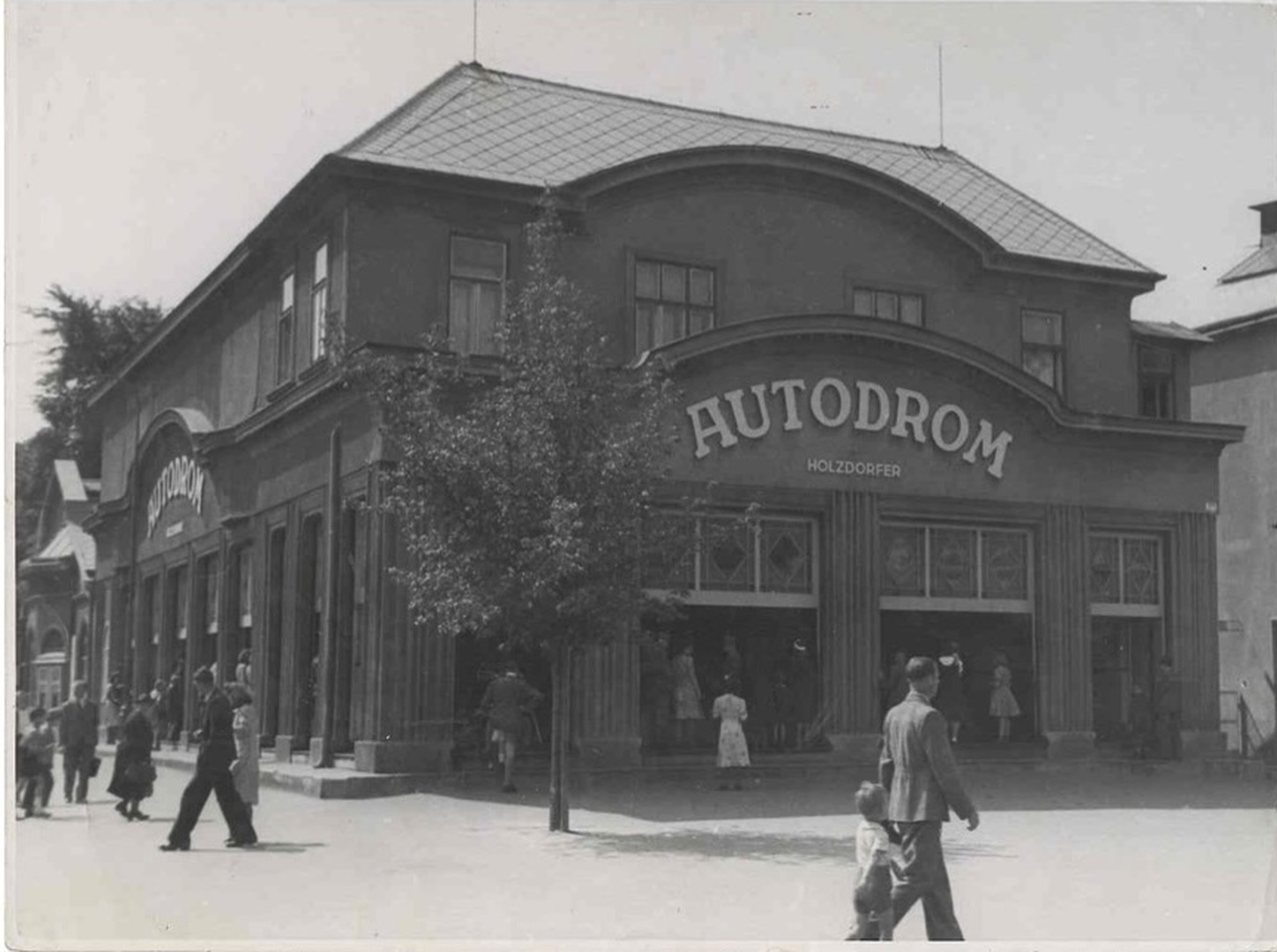
1927
The comedy theater becomes a cinema.
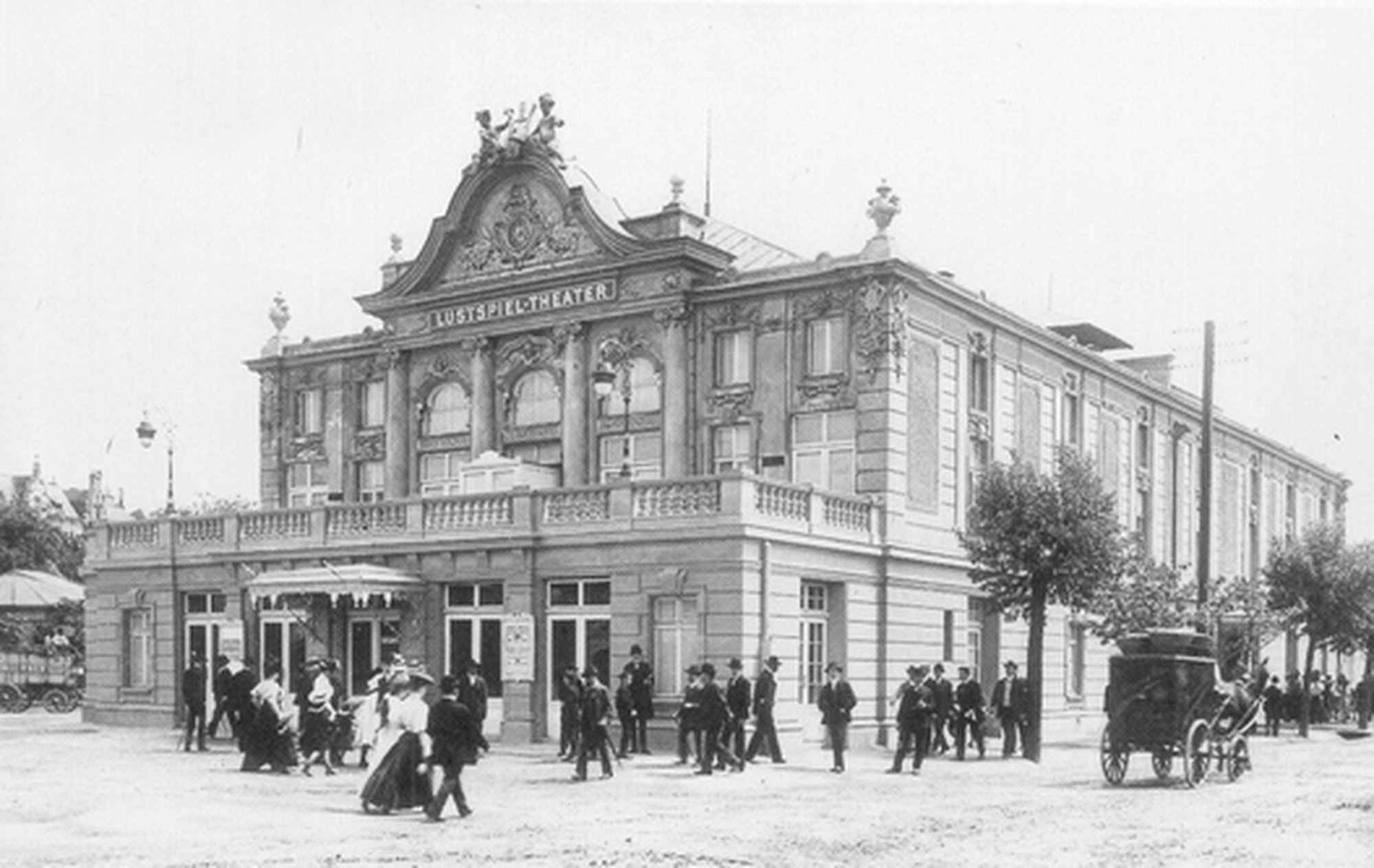
1928
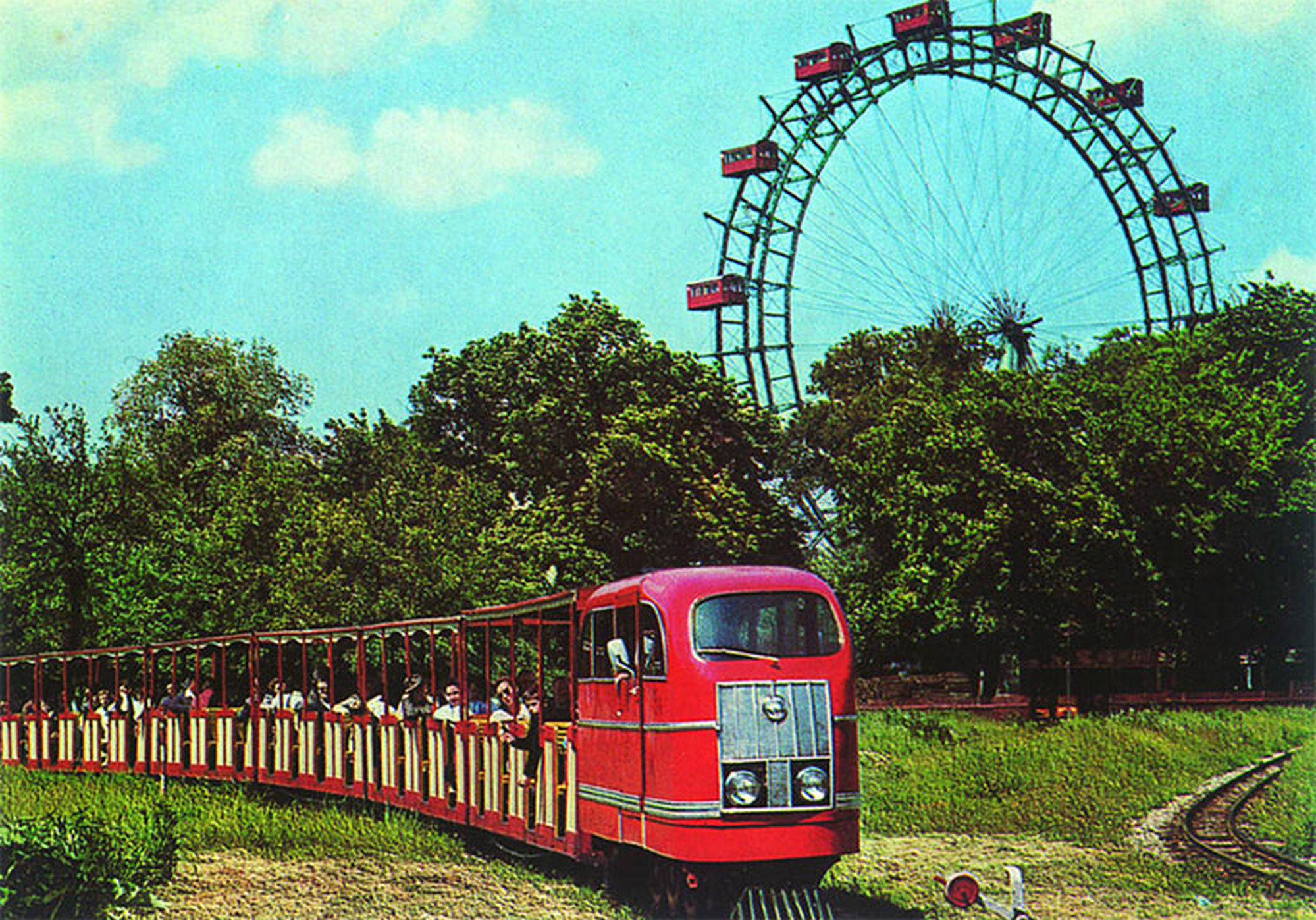
The opening of the Liliputbahn takes place this year.
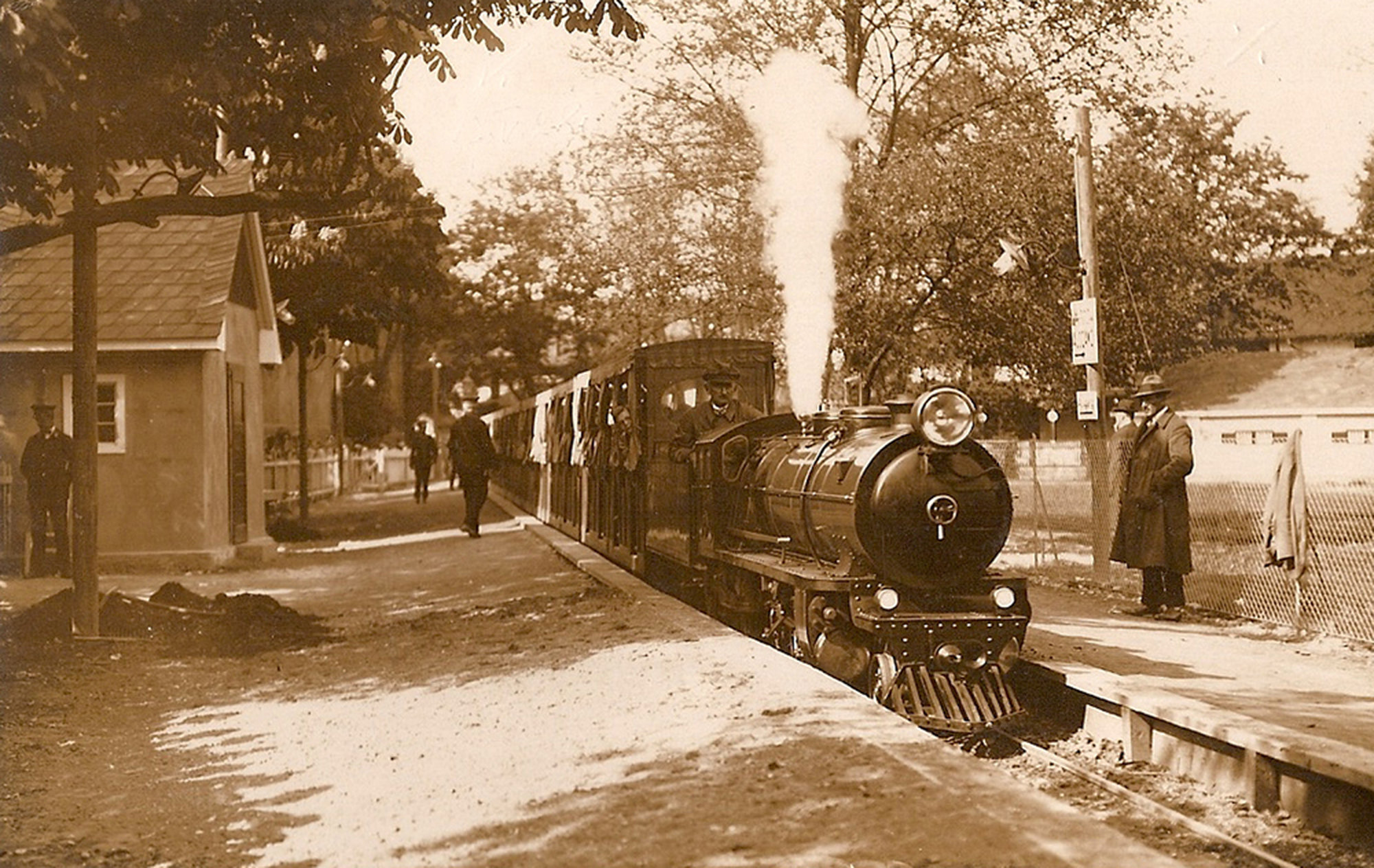
The 100th anniversary of Franz Schubert’s death is celebrated in Vienna with a large singers’ festival, which takes place in the Vienna Prater on the Jesuitenwiese.
1933
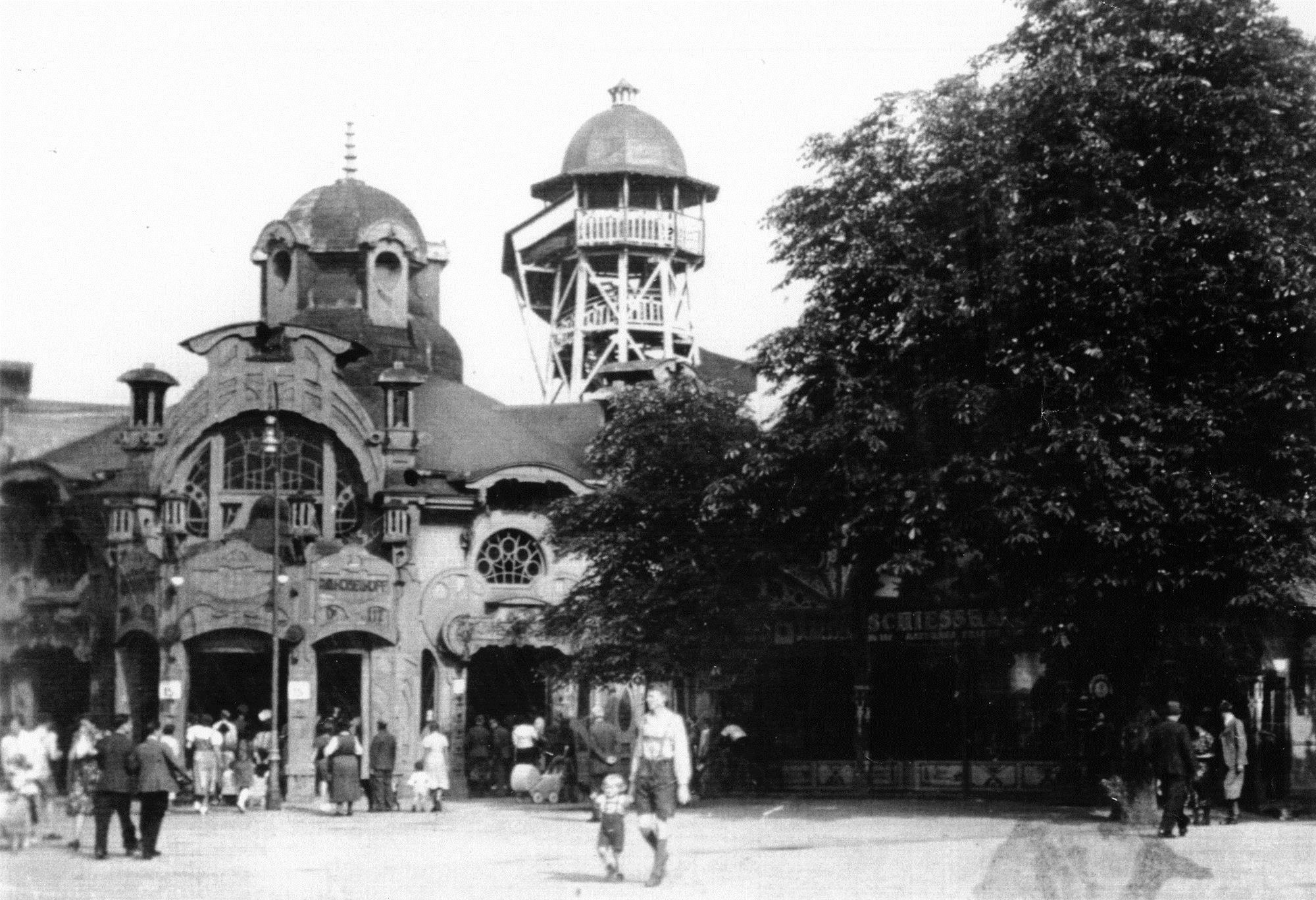
The world’s first ghost train attraction, the “Ghost Castle”, is put into operation.
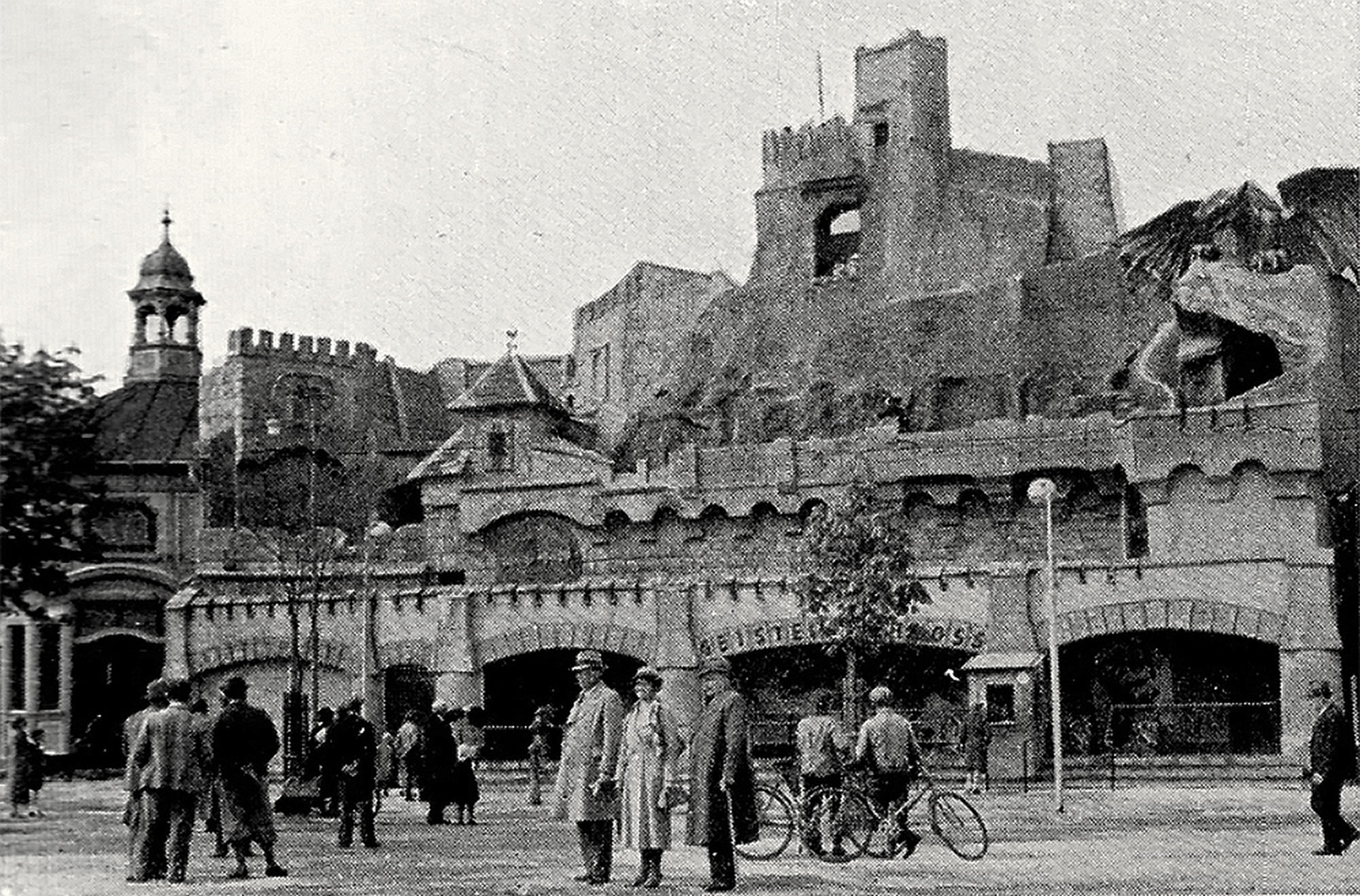
1935 - 1945
1935
The first trackless flying ride appears in the Prater.
1937
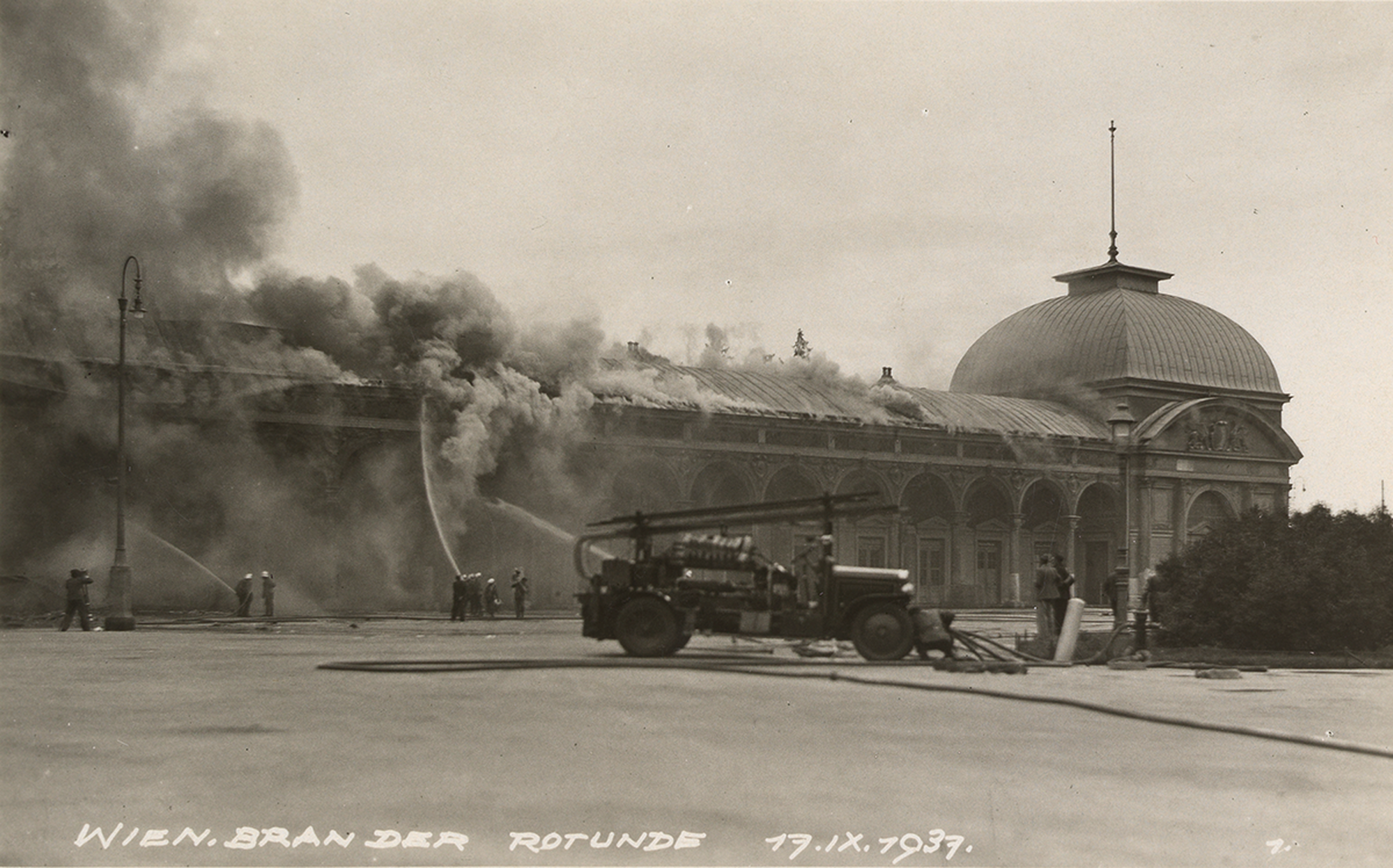
The Rotunda is destroyed by a fire. Today, part of the former Rotunda grounds is occupied by VIECON/Messe Wien as well as the campus of the Vienna University of Economics and Business.
1938 - 1945
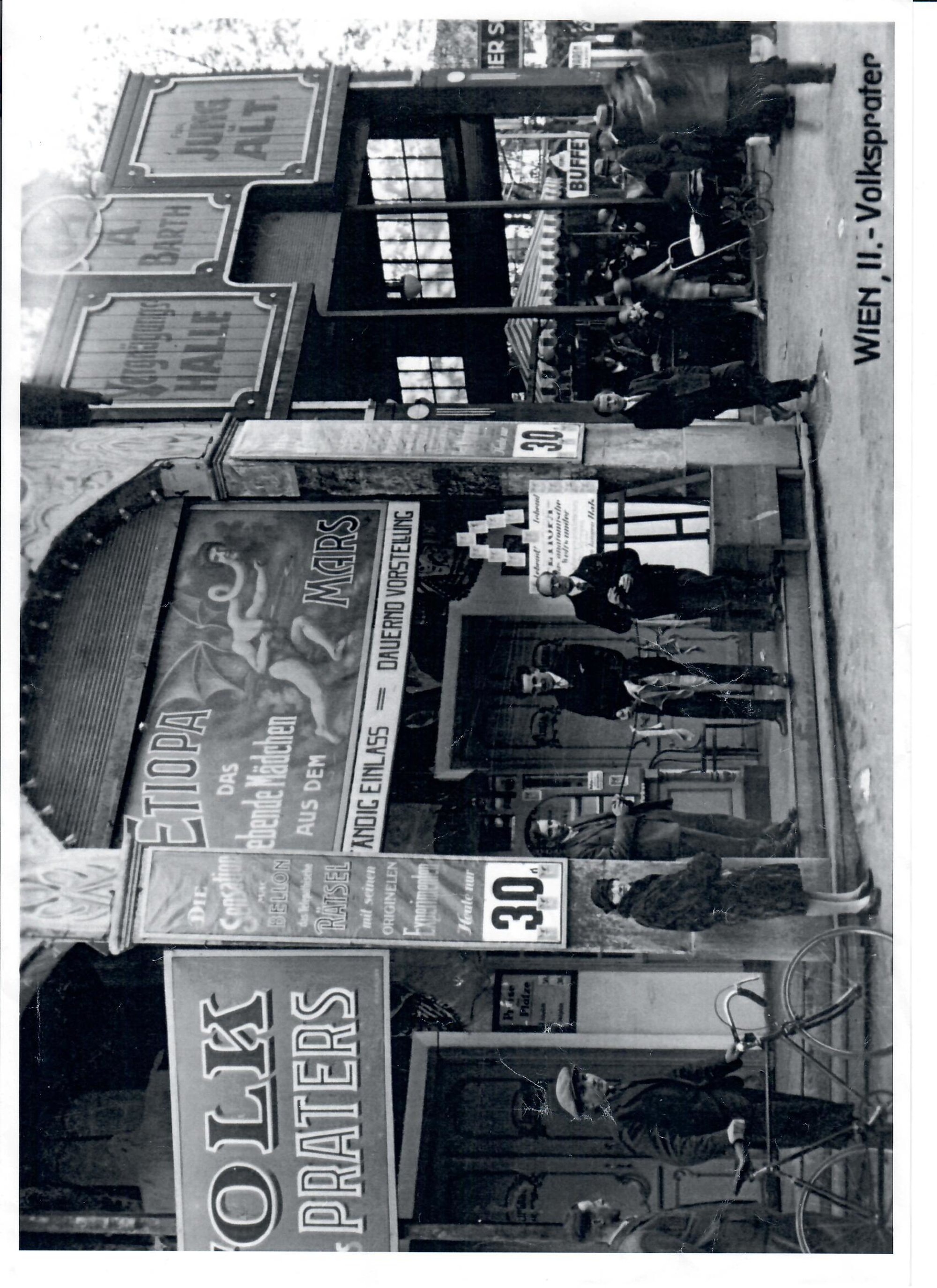
As a place of amusement and entertainment, the Vienna Wurstelprater continues to exist even after Austria’s annexation to the German Reich on 12 March 1938. Since it is considered “disorderly” by the Nazi regime, it is redesigned. Prater huts with foreign-language names are renamed, swastika emblems are attached to the attractions and toy airplanes are equipped with machine guns. The traditional puppet character “Wurstel” is subjected to censorship and subsequently used to introduce children to Nazi ideology. The previously common “freak shows” are banned, because the display of physical deformities contradicts the National Socialist ideal focused on health and strength.
Prater hut owners and employees who were classified as Jewish according to Nazi definitions were expelled from the Prater, their businesses expropriated and taken over by NSDAP members and collaborators. Many of them became victims of the Nazi regime’s extermination policies and never returned to the Prater.
The “Association of Prater Hut Owners” was dissolved after Austria’s annexation to the German Reich in accordance with Nazi regulations for associations and federations. (Sarah Knoll, A Raid through the Prater: Expropriations of Businesses in the Vienna Wurstelprater under National Socialism, unpublished diploma thesis, Vienna 2015)
1945 - 2015
1945
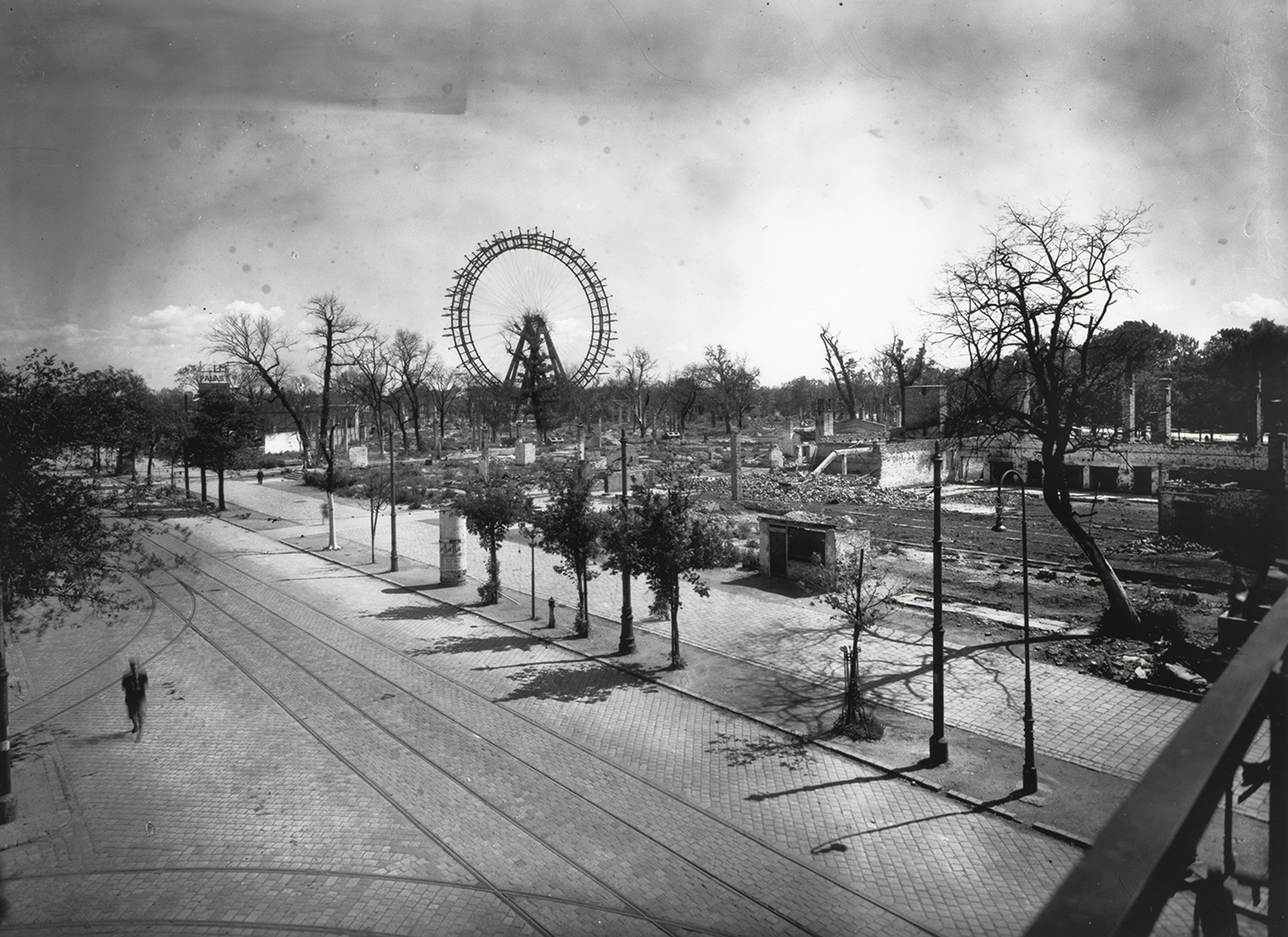
After the end of the Second World War, the Vienna Wurstelprater is almost completely destroyed by air raids and a major fire. Only five businesses and eighteen structures remain. At the initiative of the Prater entrepreneurs, reconstruction begins shortly after the end of the war. In practice, the reestablishment of the “Association of Prater Entrepreneurs” takes place during a meeting on 8 August 1945. Official approval for the reconstitution of the association is granted only on 29 November 1945. Just three years later, parts of the world-famous feature film classic The Third Man are filmed in the Vienna Prater.
1946
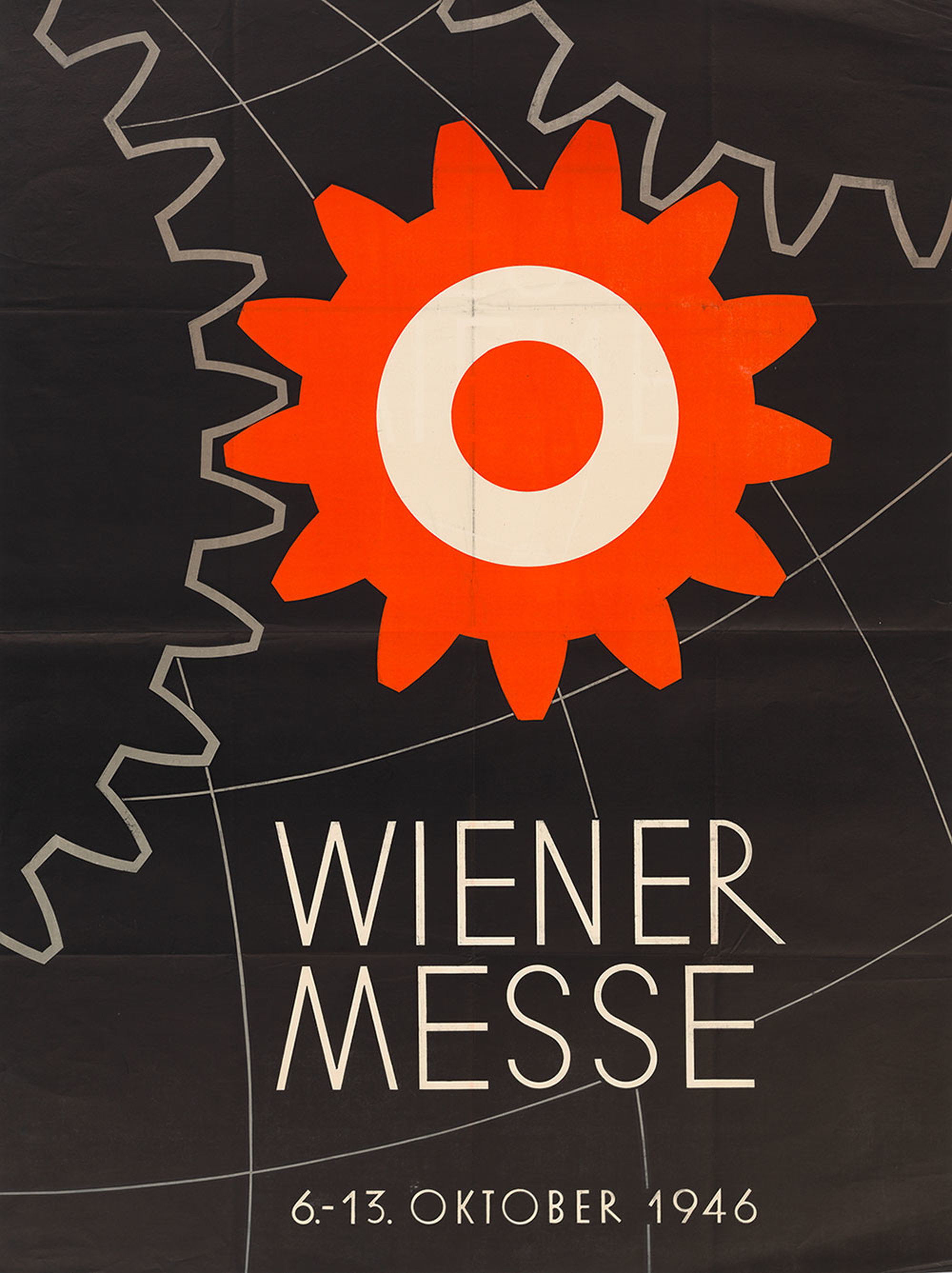
On 5 October 1946, the first autumn trade fair of the postwar period is opened on the Prater fairgrounds.
1950 - 1963
The original bodywork of diesel locomotive D 2, used in the years 1962 and 1963 on the chassis of steam locomotive No. 3, from April 1962 onward.
1964
The Planetarium and the Prater Museum housed within it are opened.
1966
The Vienna Prater turns 200 years old on 7 April 1966. On this occasion, the Vienna Prater, then increasingly referred to as the Volksprater, is celebrated, sung about and, above all, visited.
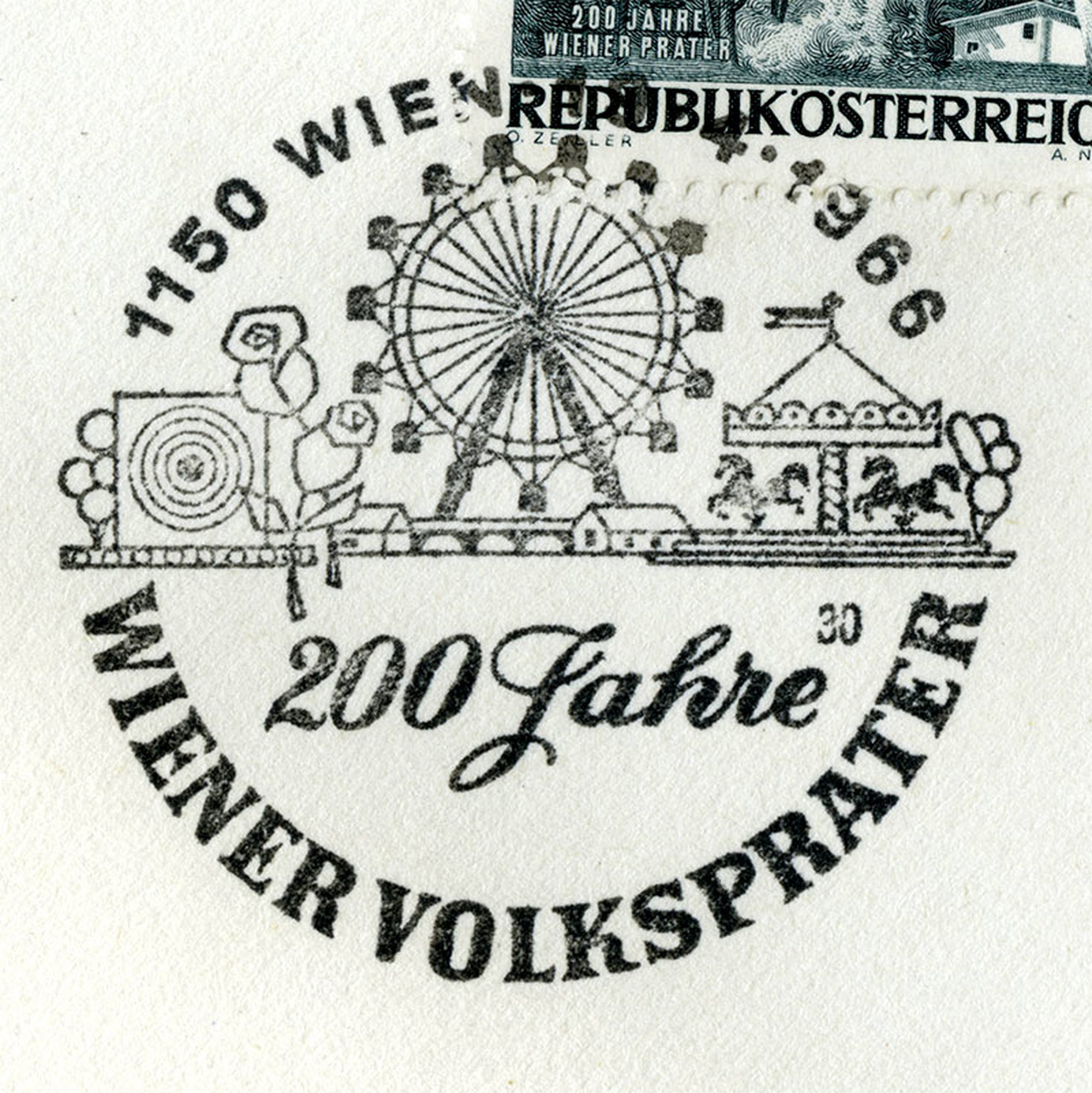
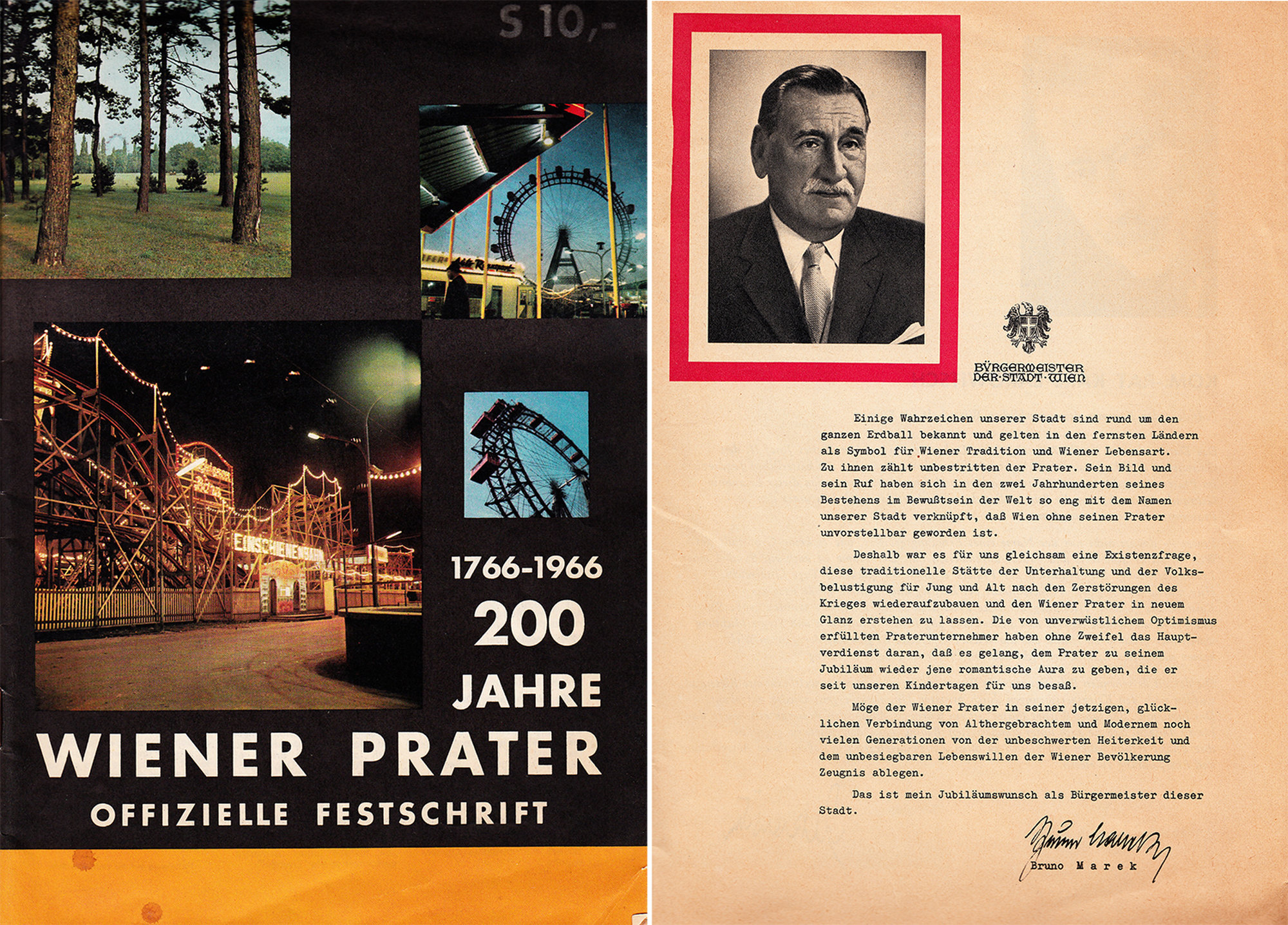
In the brochure titled “Official Commemorative Publication”, one finds reports, poems, historical anecdotes and images, as well as speeches and letters. The mayor of Vienna at the time, Bruno Marek, praises the great commitment of the Prater entrepreneurs during the reconstruction.
1968 - 1969
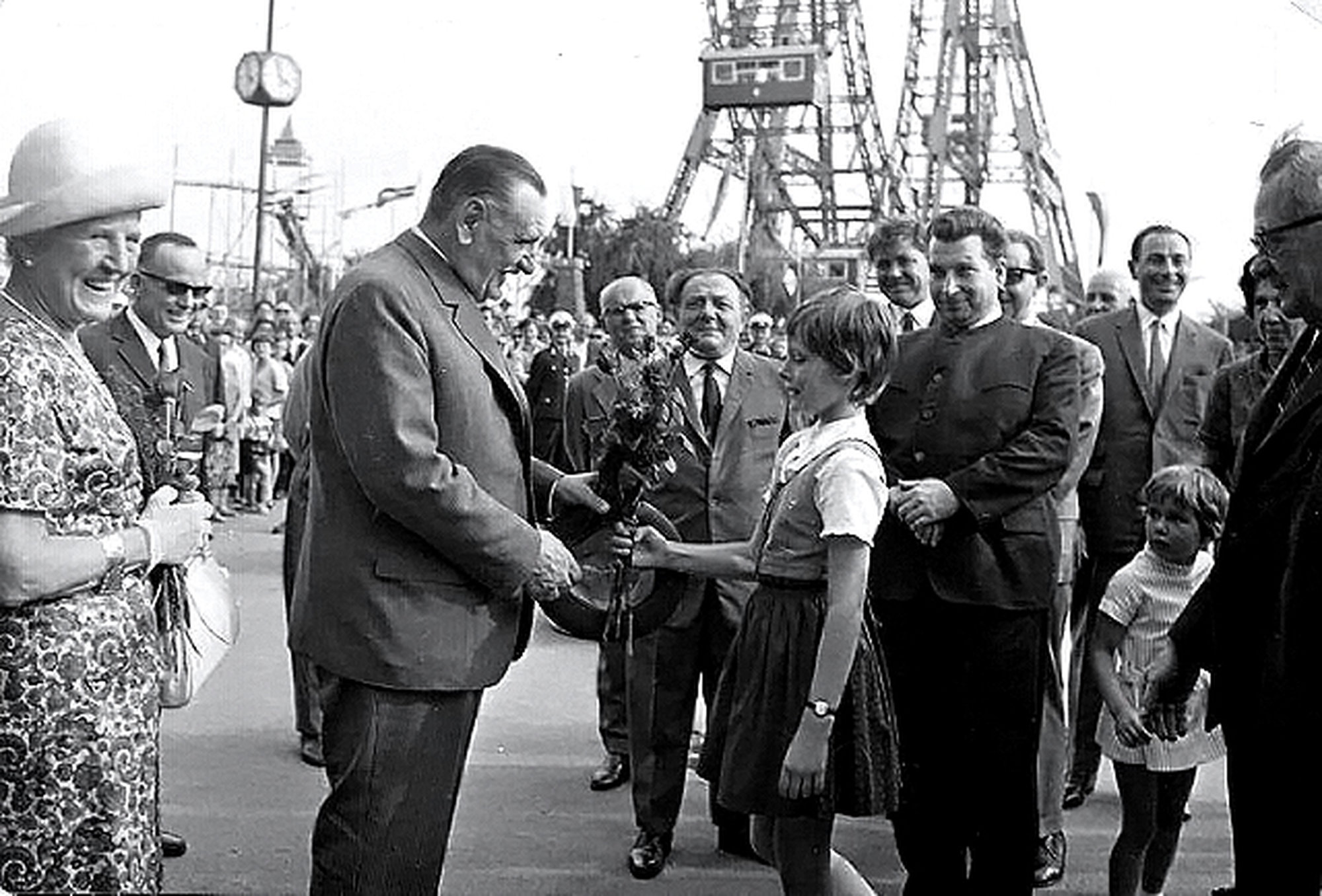
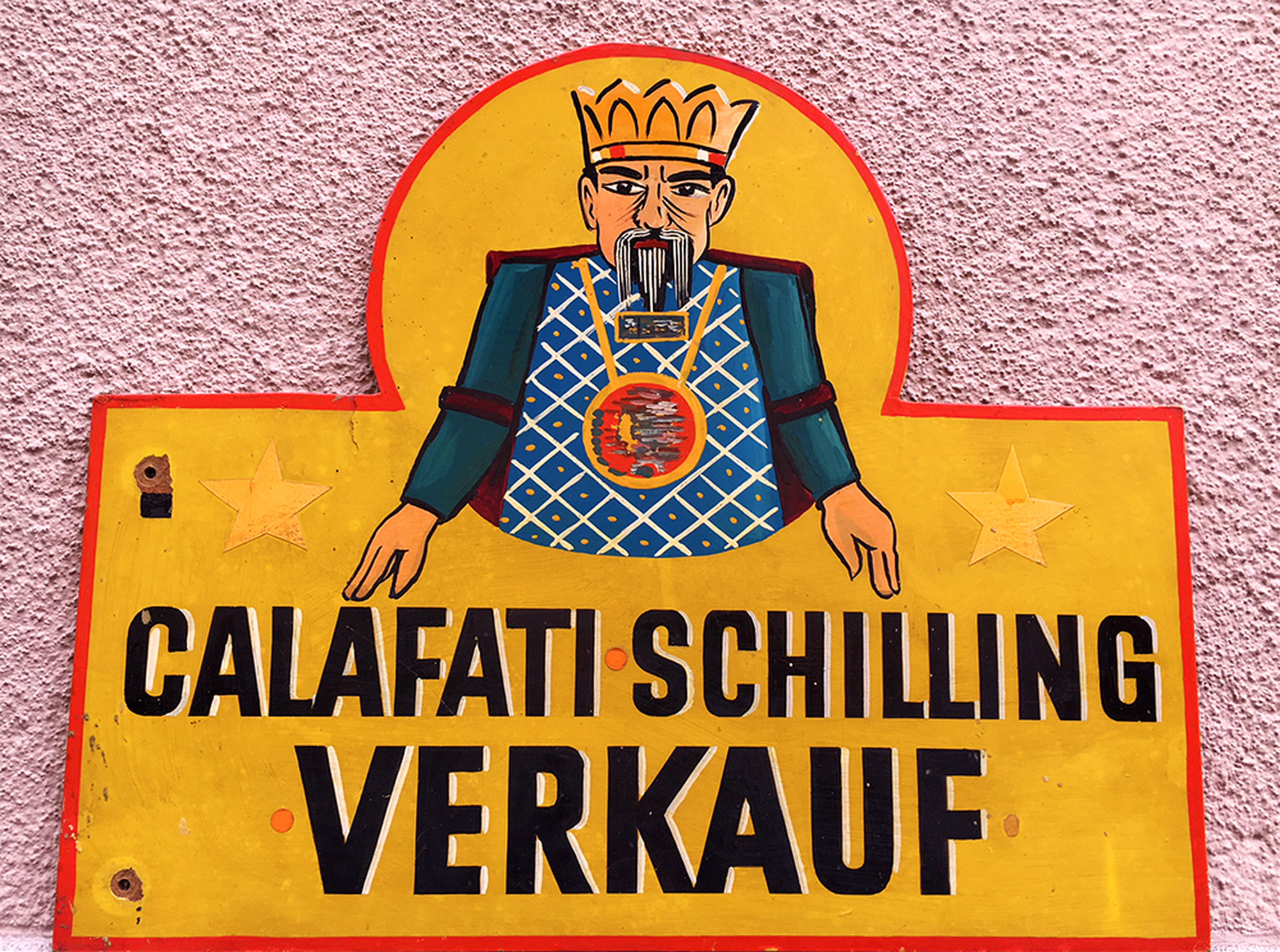
Mayor Bruno Marek in the Wurstelprater: visiting the Prater festivities in 1968, and on 11 June 1969 attending the official unveiling of the Fortuna figure. The “Calafati Schilling” is introduced as part of the Calafati Festival. The enormous Fortuna and Calafati figures become popular meeting points in the Wurstelprater.
1972
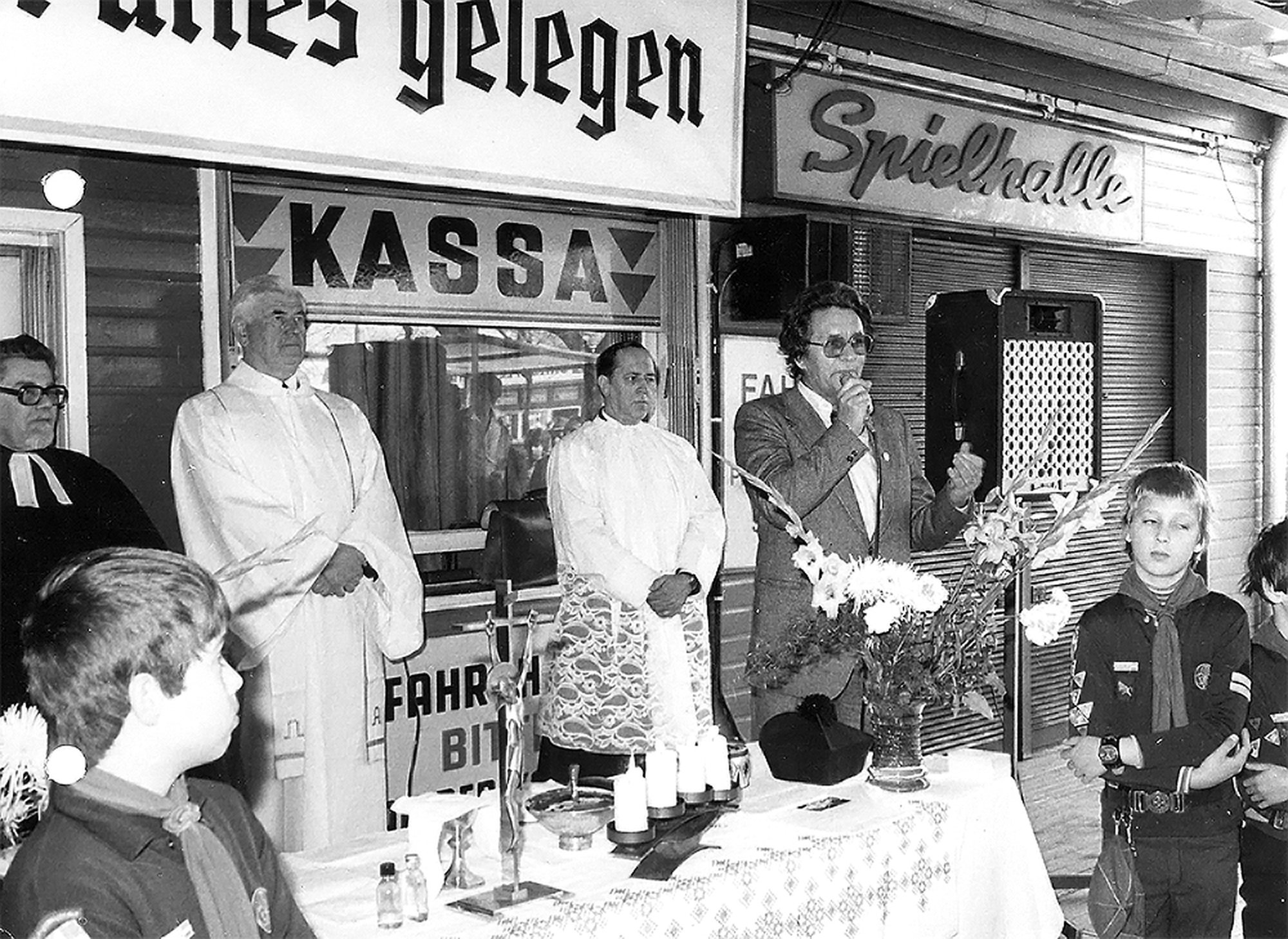
On the initiative of the chairman of the Vienna Showmen’s Association, Dr. Alexander Schaaf, ecumenical showmen’s church services are held in the Vienna Prater. Since 1994, the Schweizerhaus has been the place where they gather. From left to right: Pastor Ludwig Drexler, Spiritual Councillor Rector Josef Franzl, Episcopal Councillor Father Heinzpeter Schönig SAC and KR Dr. Dipl. Ing. Alexander Schaaf.
1976
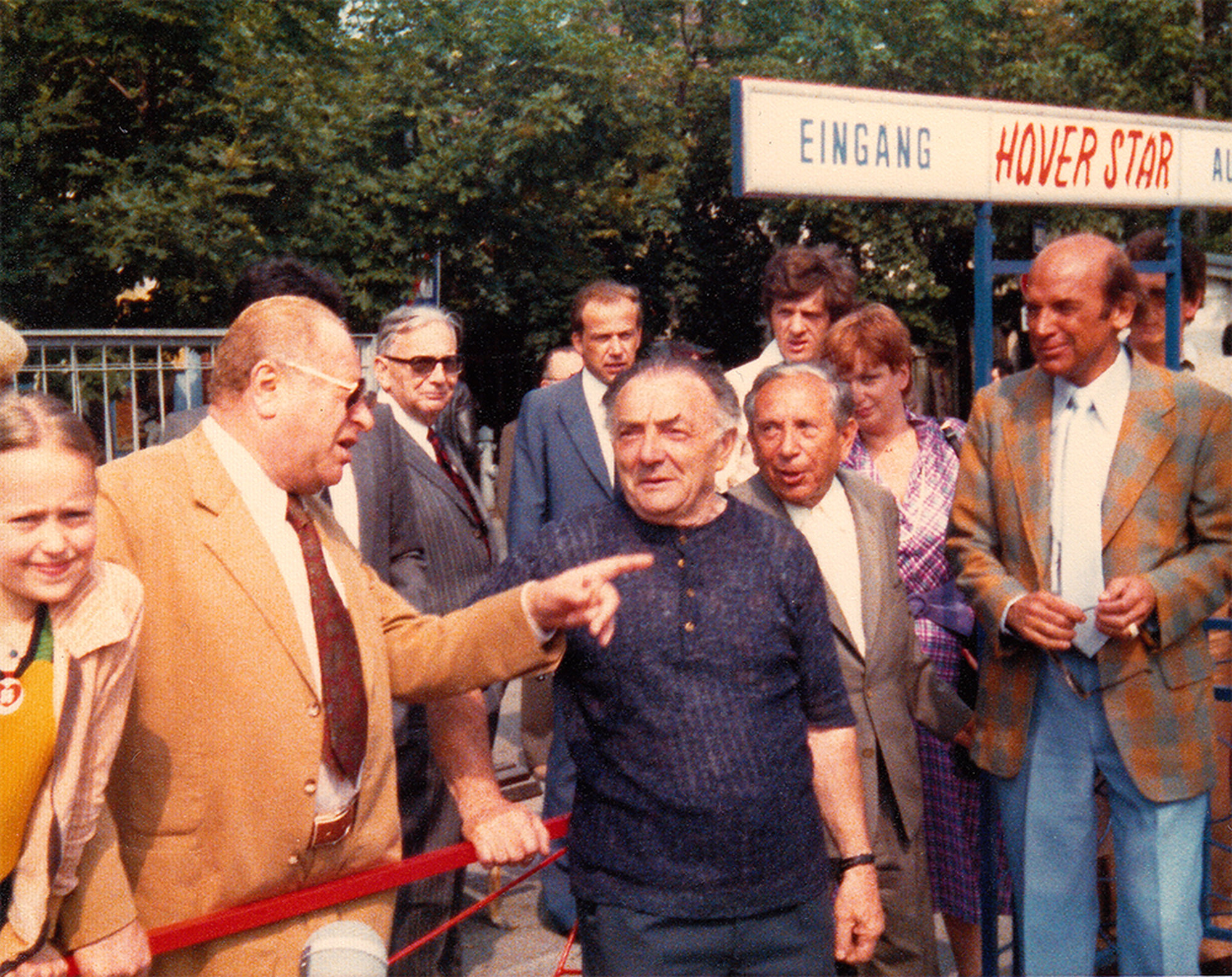
The 1970s are a period of gradual development and renewal for the Vienna Prater. New businesses and attractions are built.
There are also changes in the Green Prater. In order to preserve the last almost untouched riparian forest, the Mauthner Water is declared a natural monument in 1976.
1977
In 1977, the coffee restaurant on Konstantin Hill burns down and is not rebuilt.
1980 - 1990
2007
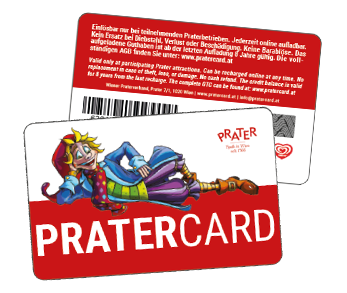
The Prater Card replaces the Calafati Schilling in order to enable cashless payment.
2008
The Giant Ferris Wheel Square is redesigned.
2011
For the first time, an “Austrian customs and Oktoberfest” event takes place in autumn. Over the years, the nearly three week long event develops into a true crowd magnet. Around 150 concerts with a wide musical offering, ranging from traditional brass bands to popular music stars and party bands, now attract more than 400,000 visitors to the “Wiener Kaiser Wiesn”.
2014
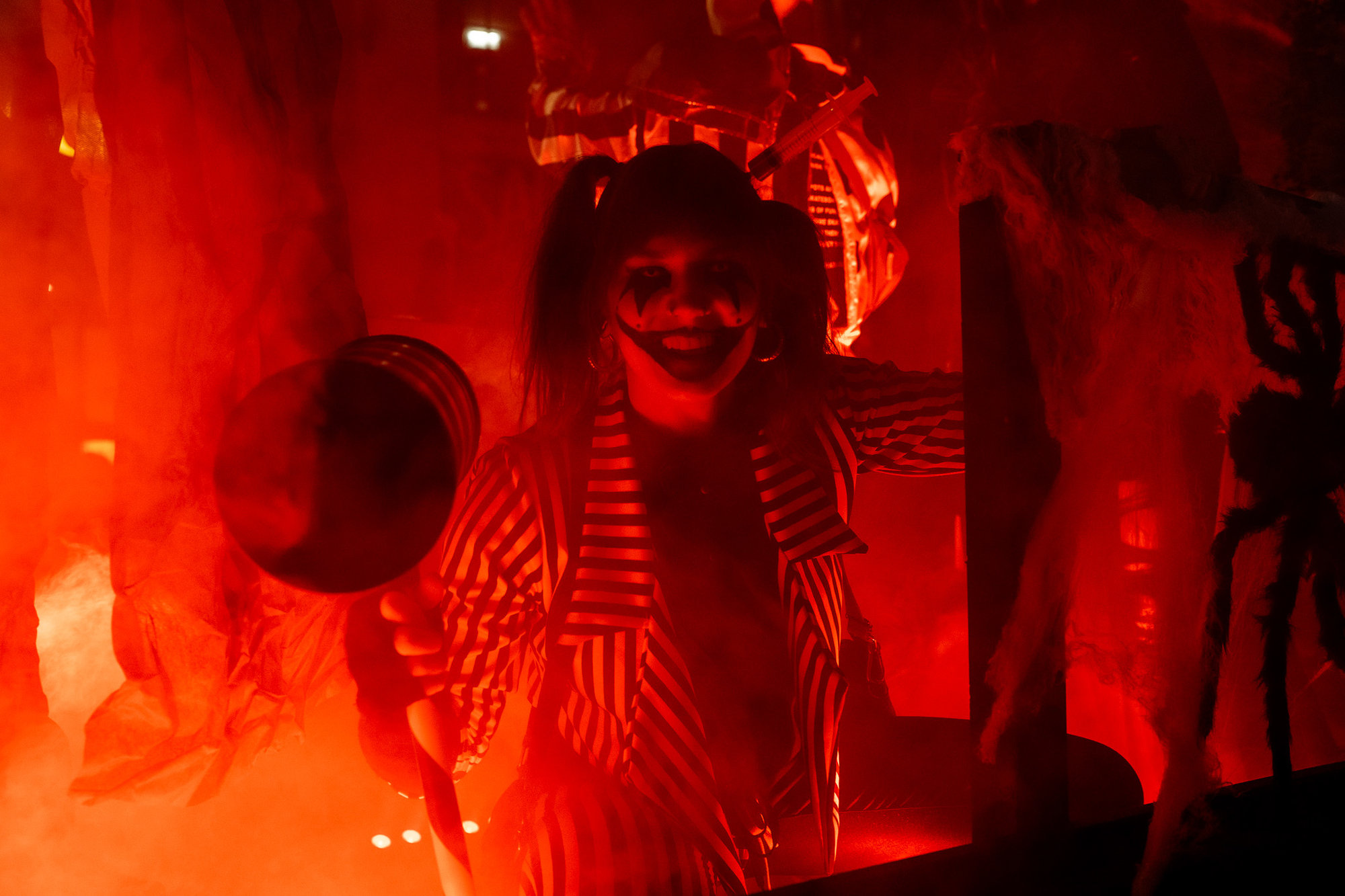
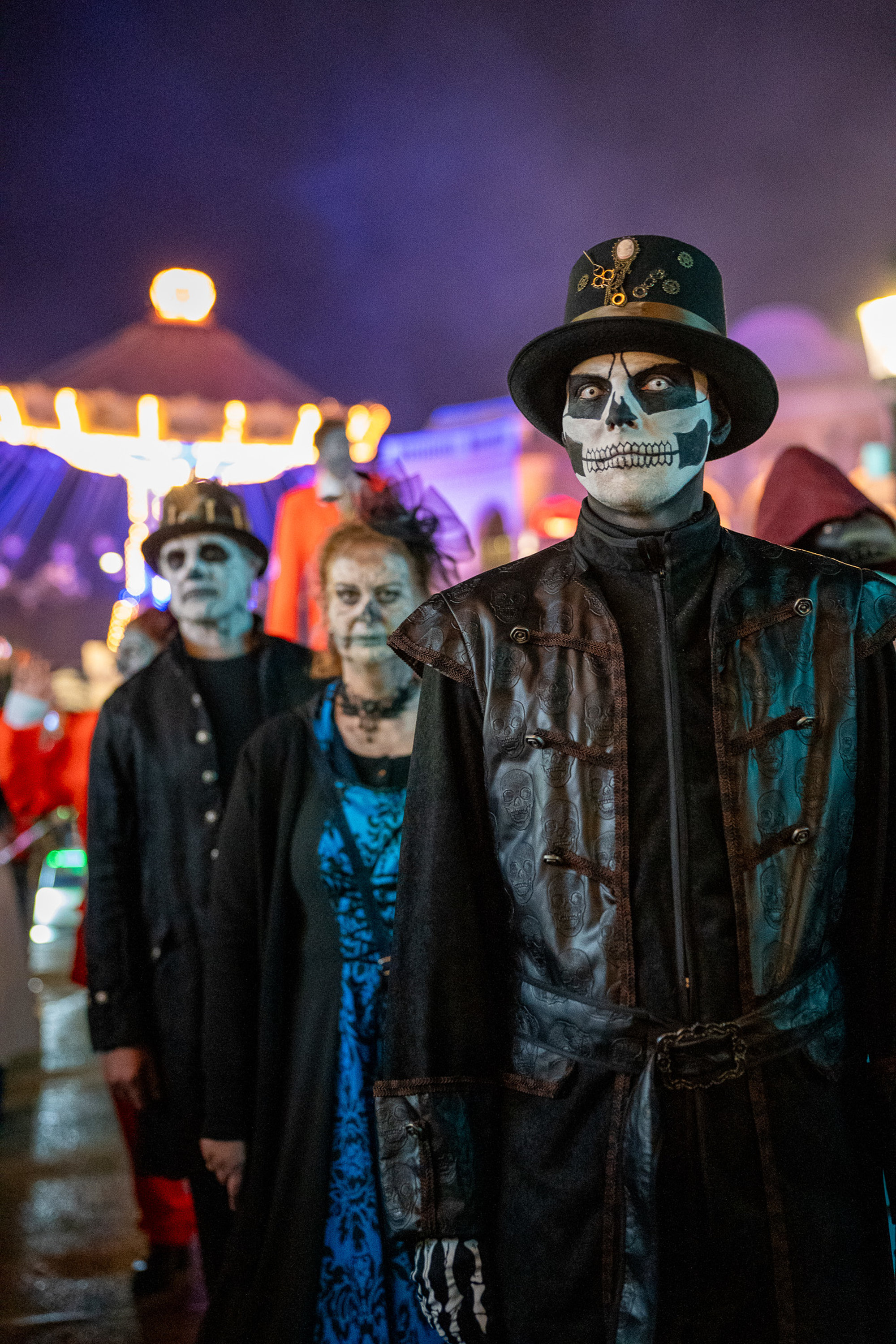
Halloween also finds its way into the Wurstelprater. The popularity of this custom rises steadily from year to year. The extensive program is suitable for both children and adults. Halloween in the Vienna Prater has meanwhile become the largest freely accessible Halloween event in Austria and has a huge fan community both domestically and abroad.
2016 - 2025
2016
The Vienna Prater celebrates its 250th anniversary.
2020 - 2021
Corona brings even the Wurstelprater to its knees. The businesses must close, and the Vienna Giant Ferris Wheel comes to a standstill for the first time in 70 years.
2022
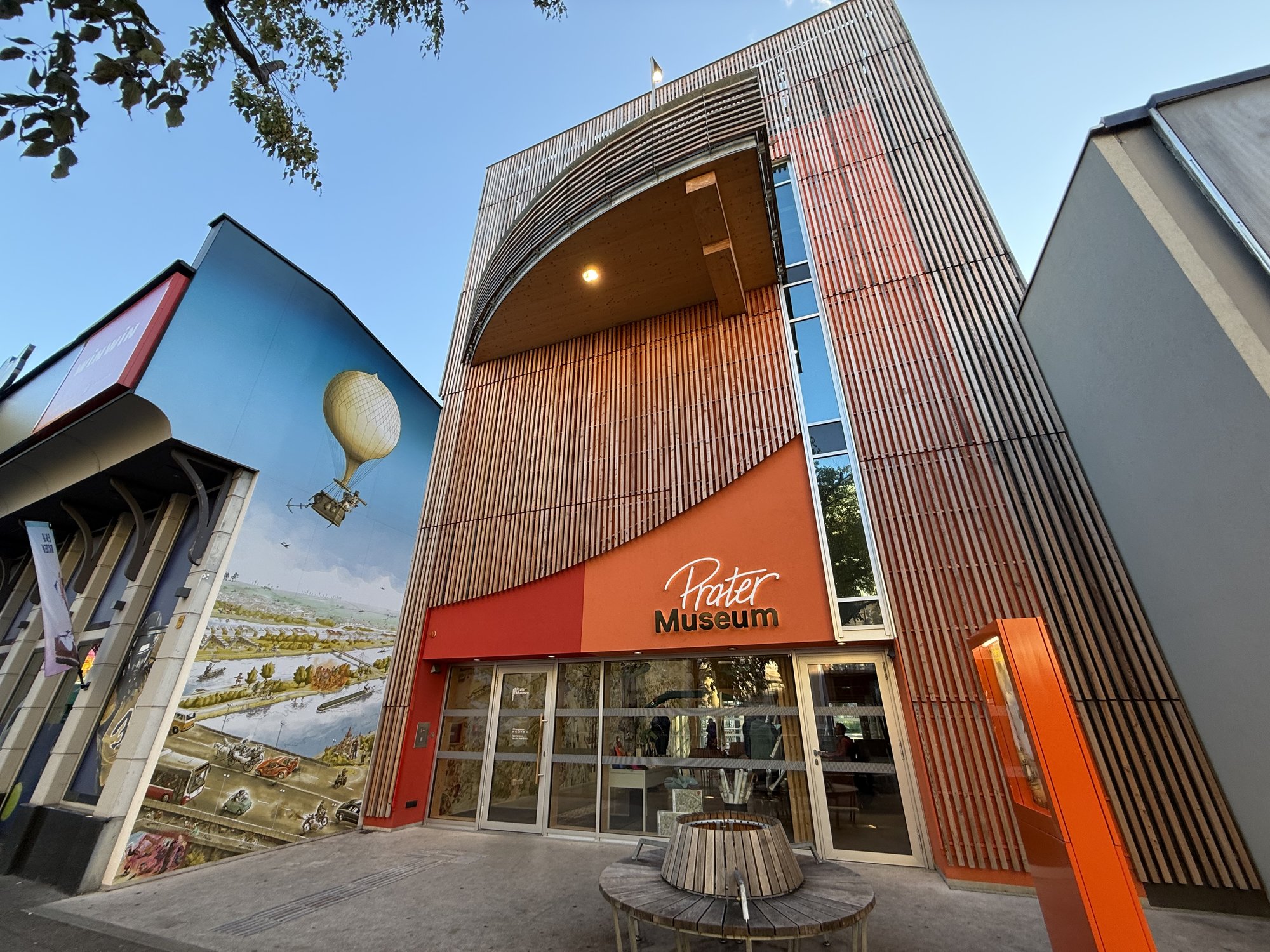
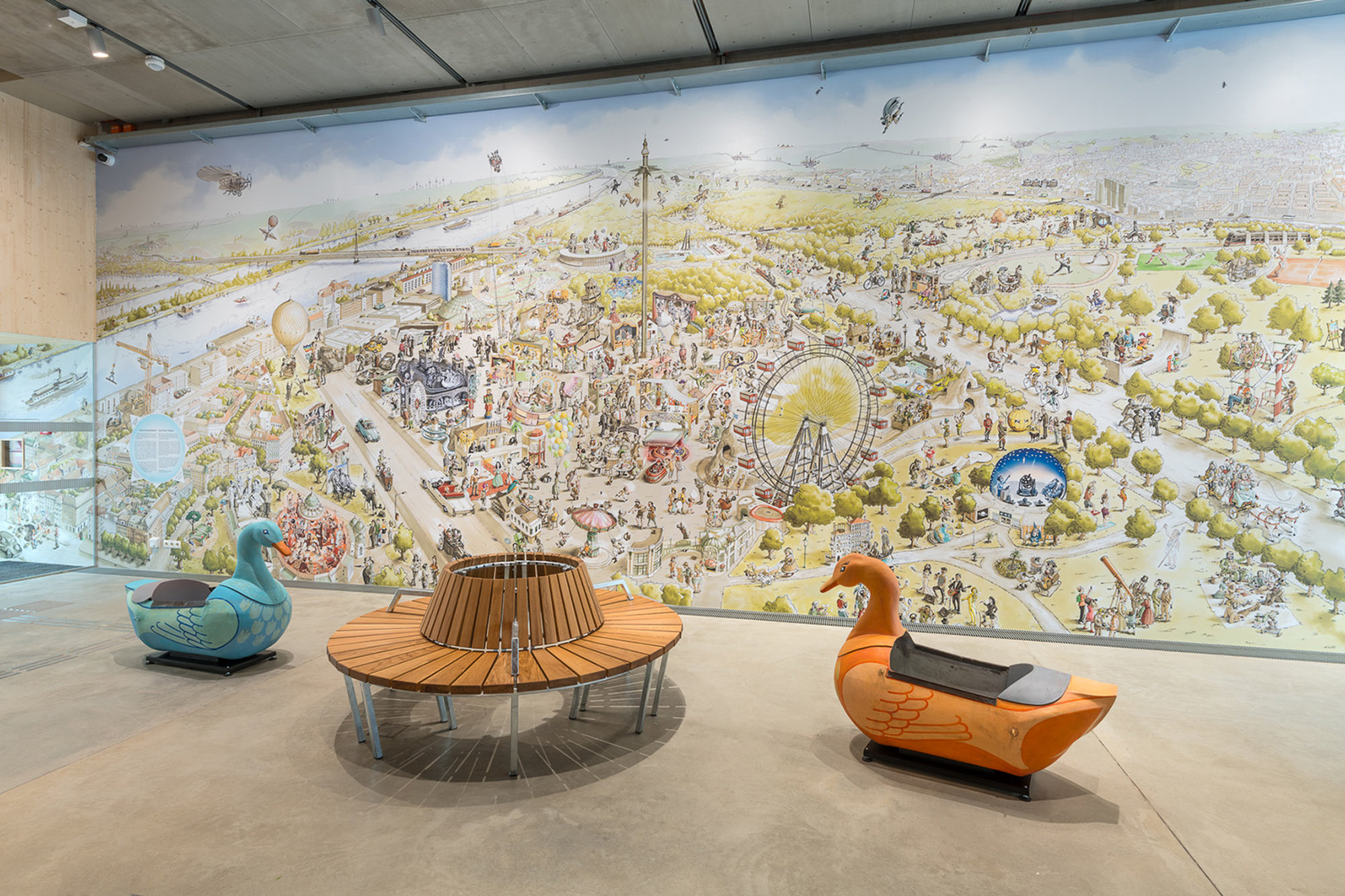
In October, construction begins on the new Prater Museum. An energy efficient three storey building is being created using timber construction. A heat pump provides heating and cooling for the wooden structure, a photovoltaic system is installed on the roof and climate panels regulate humidity.
2025
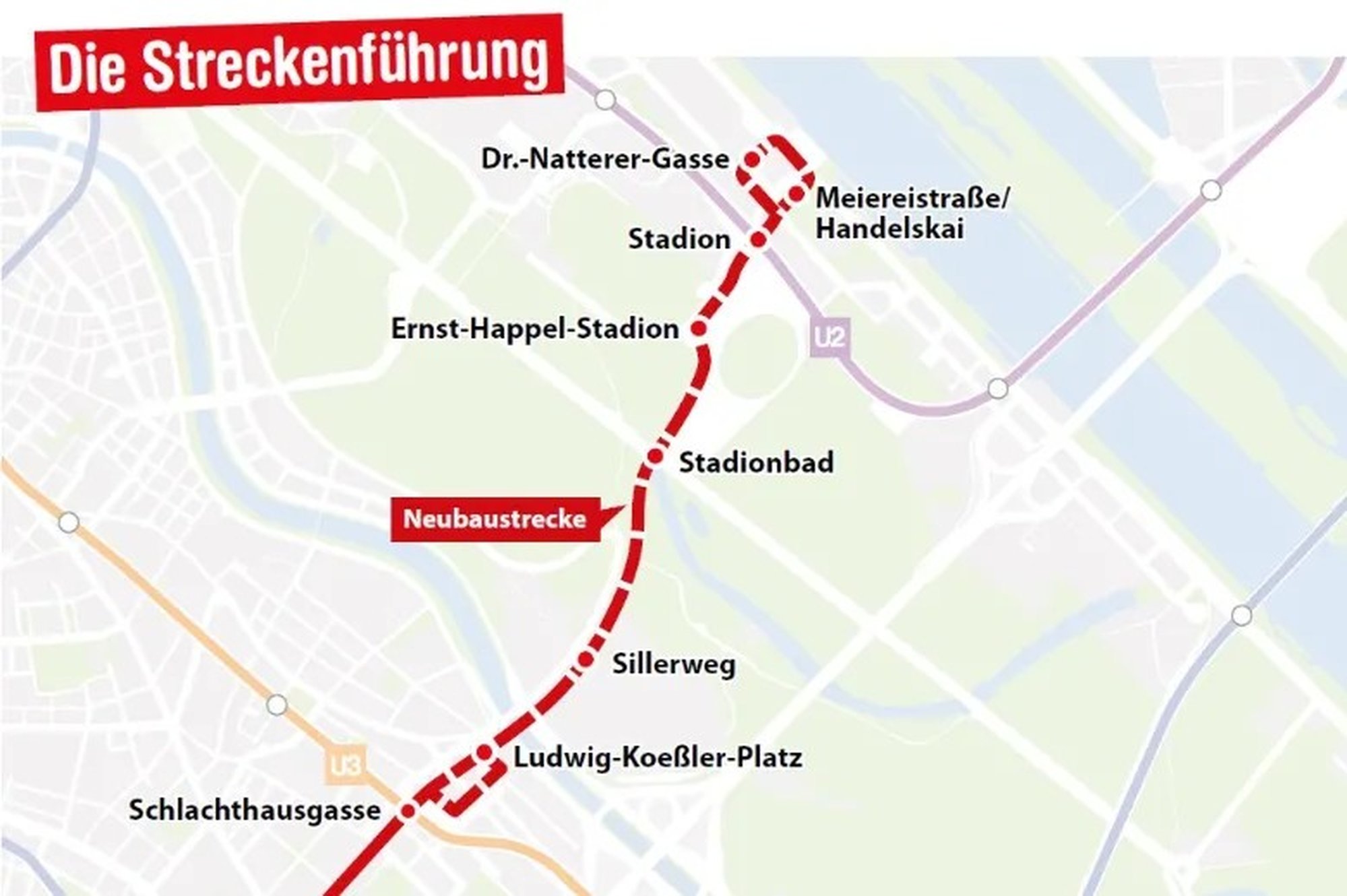
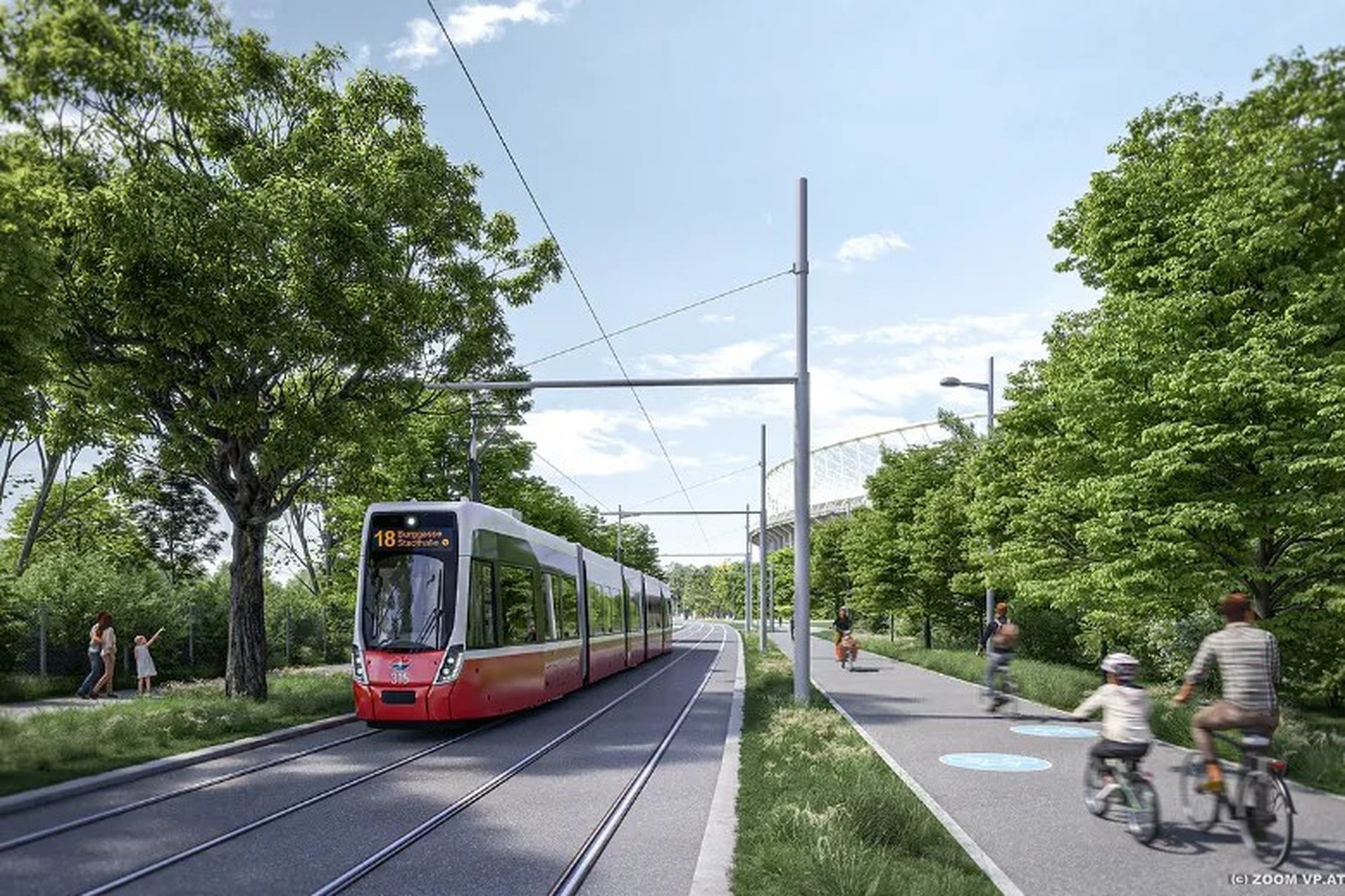
Tram instead of cars. Construction work for the extension of tram line 18 through Stadionallee begins in April. It will be extended from the U3 station Schlachthausgasse to the stadium. Commissioning is planned for autumn 2026. The goals are to calm traffic in the Prater, create a direct connection between the 2nd and 3rd districts and improve public transport access to the Ernst Happel Stadium, the Stadionbad and the long distance bus terminal.
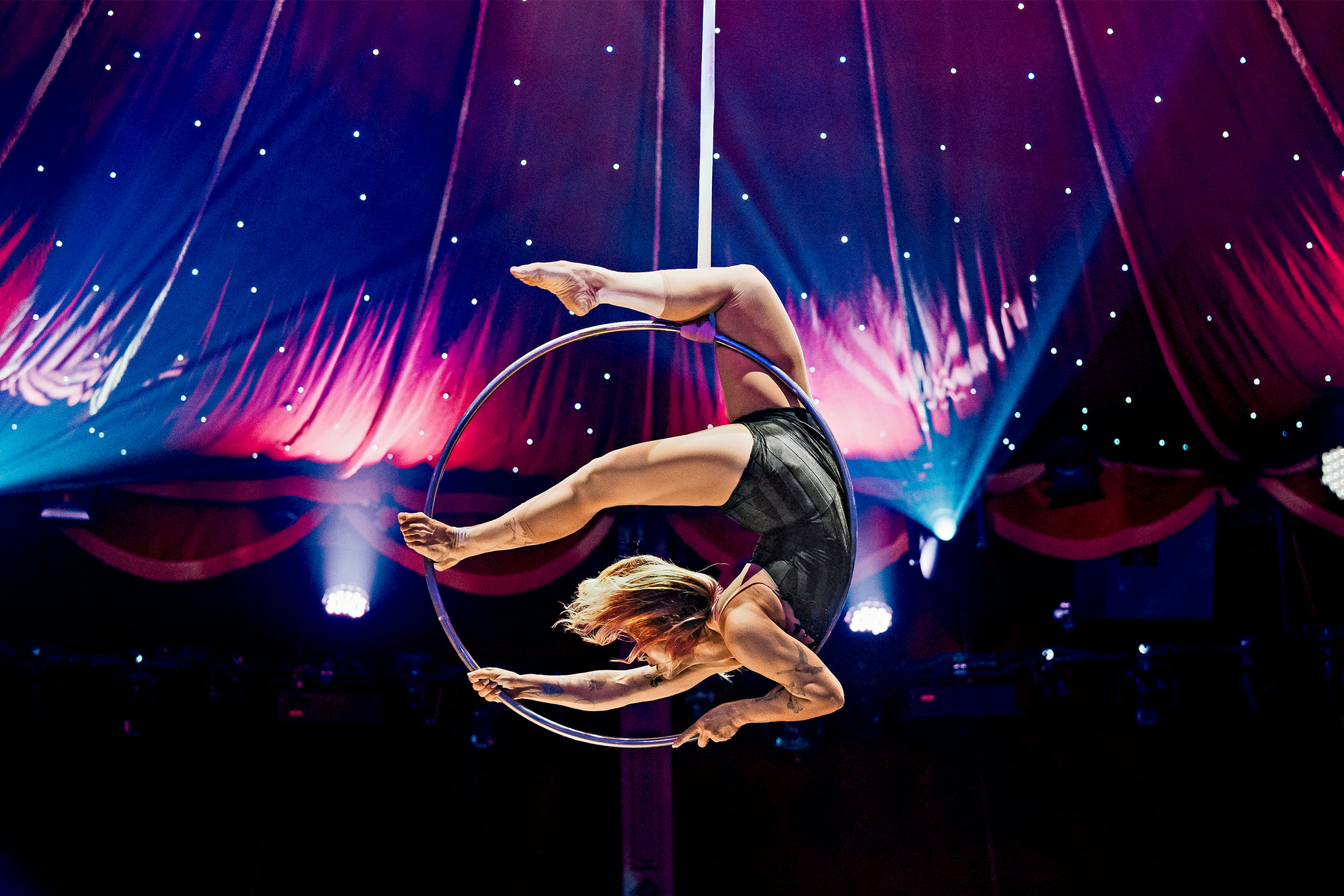
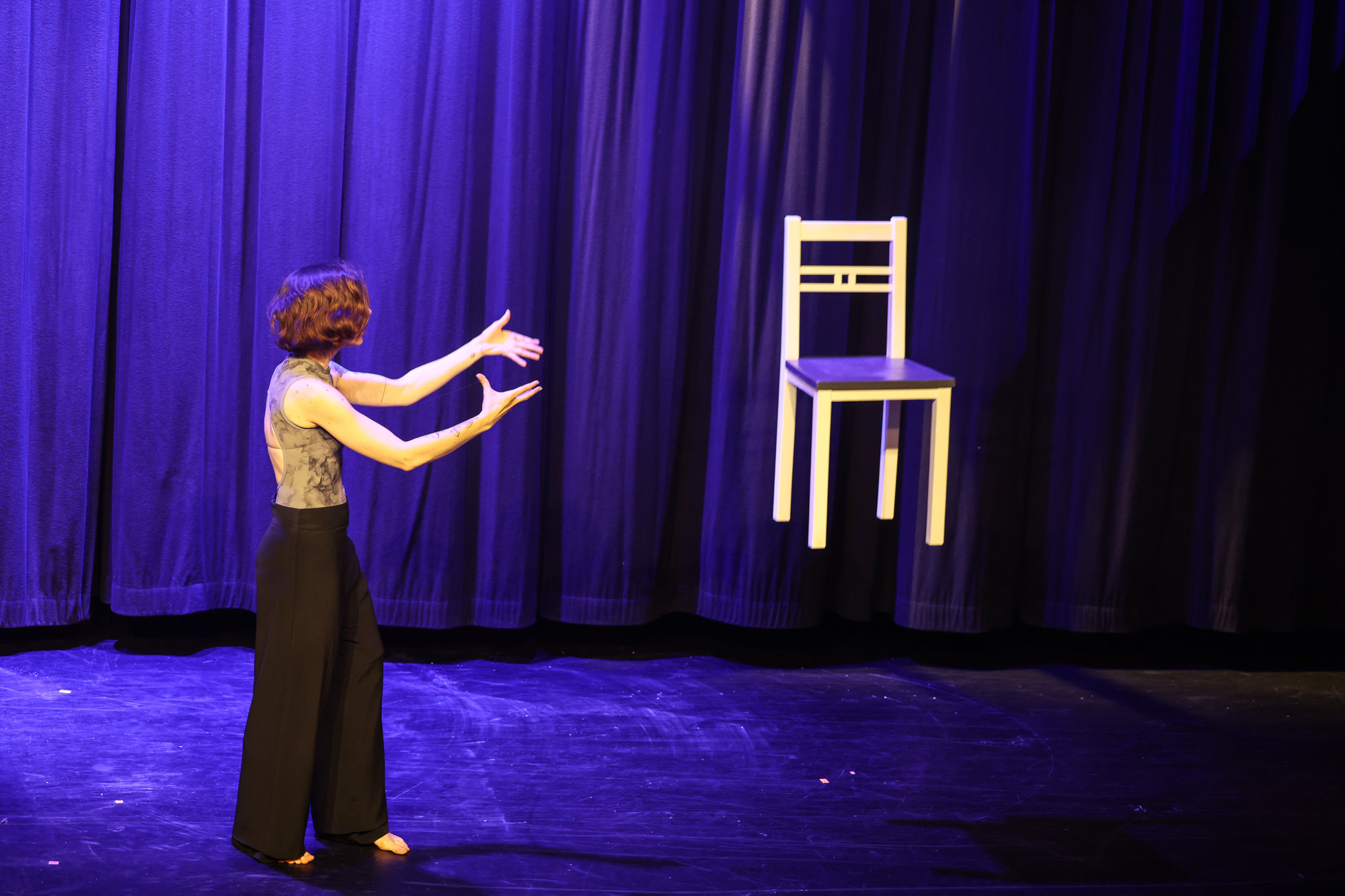
To the delight of visitors, magic shows and various dinner shows return to the Wurstelprater after a long absence.
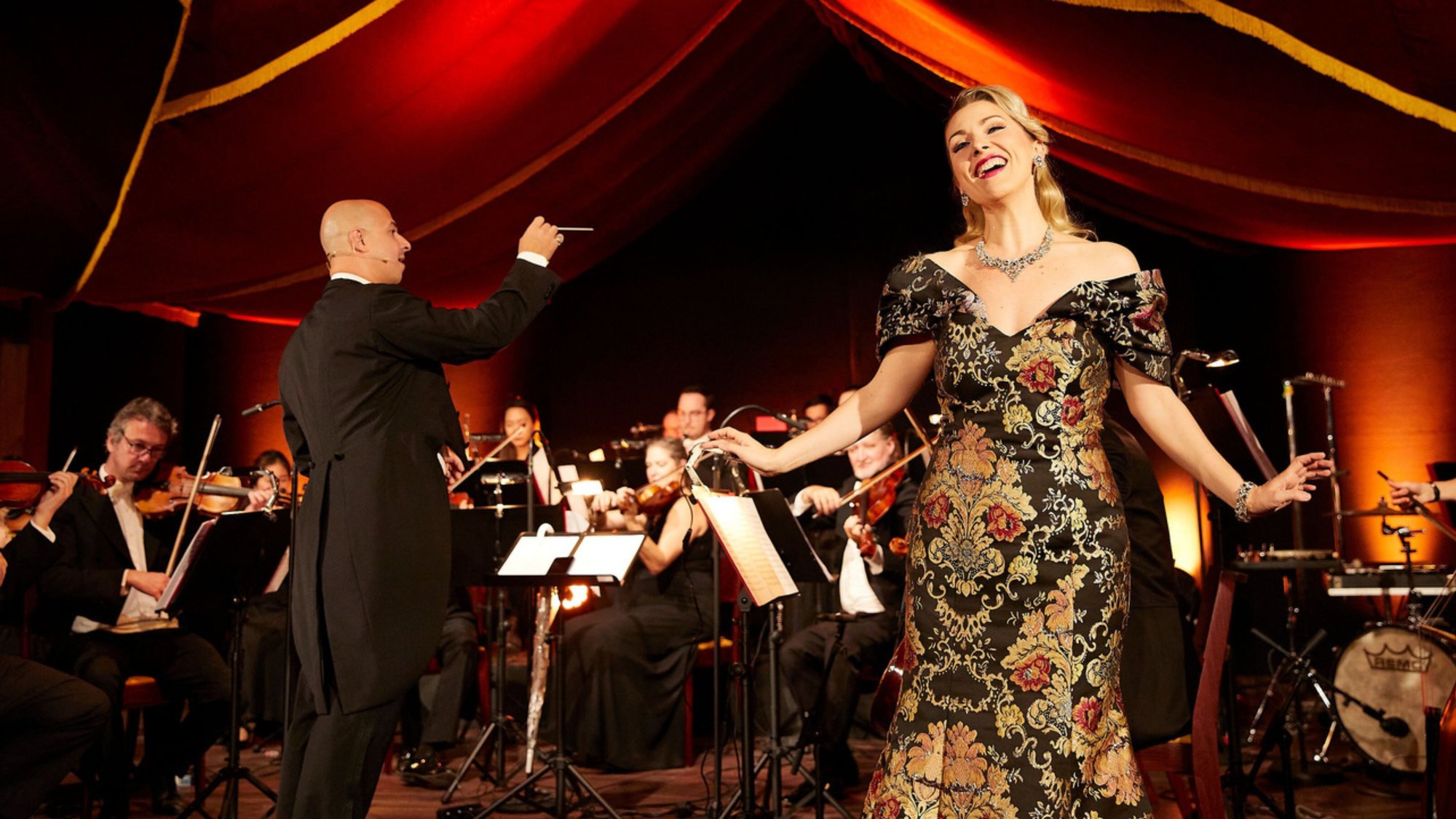
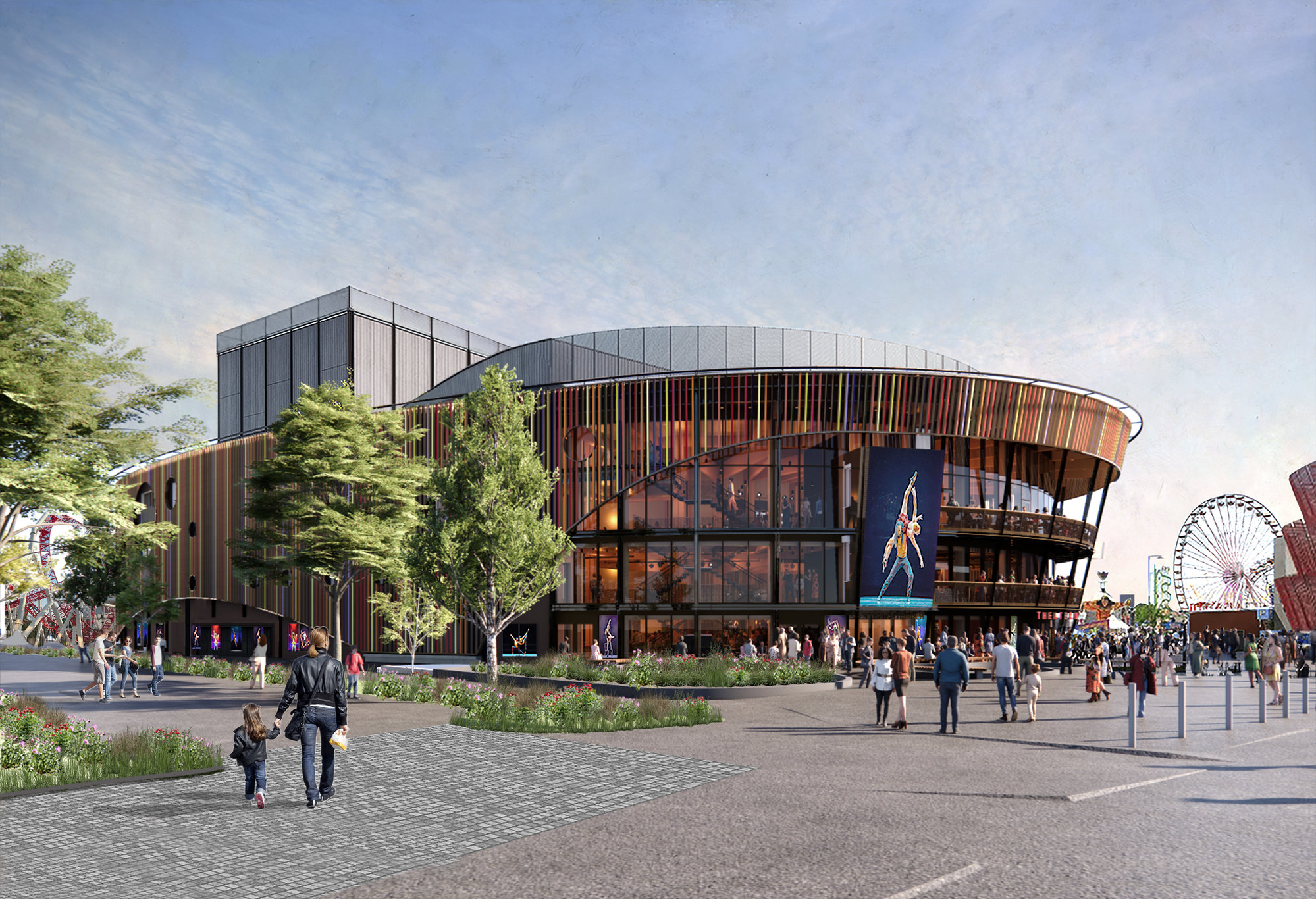
On 17 October 2025, the groundbreaking ceremony for the new “Theater im Prater” takes place. The opening of the musical theater is planned for the end of 2027. It will offer space for 1,800 visitors.
Ab 2026
The Vienna Prater celebrates its 260th anniversary.